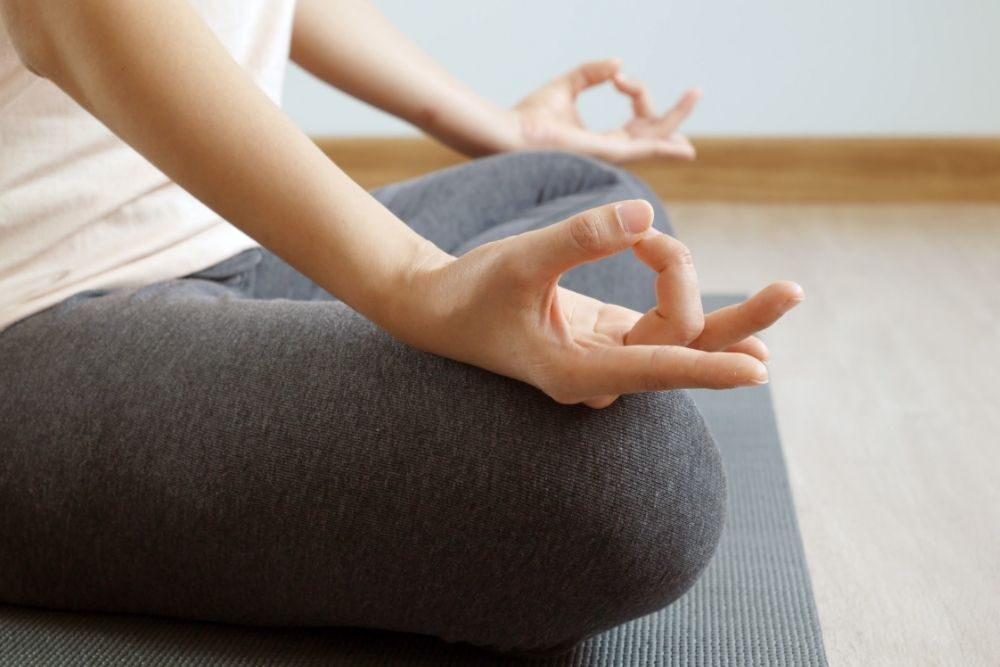
Meditation is often regarded as a powerful way to develop greater self-awareness and enhance your natural intuition. Esoteric traditions highlight the value of quieting the mind to perceive subtle inner signals that guide decisions and insights. Understanding how meditation helps uncover psychic intuition offers practical ideas for those interested in deepening their inner clarity.
Page Contents
Across many spiritual and metaphysical circles, intuition is seen as an essential guide that supports daily choices and more profound insights alike. Meditation practices, including those associated with Trusted Psychics, can provide a pathway for tuning out mental distractions, refining your inner focus, and becoming more attuned to subtle messages from your own psyche. By introducing regular meditation, individuals may explore the difference between ordinary and psychic intuition, develop foundational sensitivity, and recognize common experiences that arise in their practice.
This approach can help ensure intuitive exploration remains grounded, ethical, and balanced for those seeking to strengthen their inner awareness.
Understanding the nuances of psychic and regular intuition
Intuition generally refers to an immediate sense of knowing or understanding without conscious reasoning. Everyday intuition might present as a hunch or instinctive feeling about a person, decision, or situation, often based on subtle cues your mind rapidly processes beneath awareness.
Psychic intuition, by contrast, is frequently described in esoteric contexts as sensitivity to impressions or information that seem to arise from sources beyond standard sensory input. While popular culture often blurs the line, it is important to recognize that psychic intuition is not a supernatural guarantee but rather a refined awareness of subtle perceptions.
Misconceptions about meditation’s role in psychic intuition are common. Some believe that meditation instantly unlocks dramatic psychic abilities, but in reality, its impact is more gradual and nuanced.
Meditation may not provide sudden revelations but can create a receptive mental environment that fosters gradual development. A disciplined meditation practice can help you differentiate intuition from wishful thinking, anxiety, or bias.
Meditation can support this process, although discernment and patience remain crucial at every stage.
How meditation shapes your inner experiences
Meditation works by calming mental chatter and allowing your attention to settle. This intentional quiet creates the space for subtle impressions to emerge, which might otherwise be drowned out by everyday worries or distractions.
The practice also strengthens emotional regulation, helping you notice shifts in mood or energy without becoming overwhelmed. This stability is central to developing reliable psychic intuition, as clear perception requires a balanced and neutral mind.
Consistent meditation enhances symbolic awareness, making it easier to recognize patterns in thoughts, images, or sensations. Over time, you may learn to identify meaningful impressions without forcing interpretation or attaching unnecessary significance to random mental noise.
Becoming sensitive to subtle psychic signals is not about extraordinary experiences but about refining your openness and noticing details that recur or resonate meaningfully. Mindful observation, rather than seeking specific outcomes, often leads to a more authentic intuitive process.
Practical meditation techniques to develop sensitivity
Breath-focused meditation is a foundational technique for strengthening concentration and stabilizing attention. By gently returning your focus to the rhythm of your breath, you train the mind to remain present, which sets the stage for deeper intuitive awareness.
Body scan meditation helps cultivate clairsentient-style sensitivity, allowing you to notice physical sensations and emotional responses as informative signals. This technique involves slow, deliberate attention moving through each body part, observing subtle feelings and energetic shifts as you progress.
You may also experiment with third-eye style visualizations, a neutral exercise often used to symbolically direct awareness to the space between the eyebrows. This approach is not prescriptive but can encourage vivid inner imagery, which some traditions associate with psychic perception when combined with relaxed focus.
Journaling impressions immediately after meditation supports tracking recurring themes, patterns, and subtle changes over time. Documenting your experiences helps you distinguish intuition from mental clutter and supports the development of self-trust and discernment.
Establishing a supportive, sustainable meditation routine
Developing psychic intuition through meditation requires patience and consistent effort. Short daily sessions, often between 10 and 20 minutes, are more effective than infrequent extended practices, as regularity allows for the gradual cultivation of subtle awareness without overwhelming the senses.
Maintaining a balance between exploration and grounding is essential. After meditation, simple grounding exercises such as gentle movement, hydration, or mindful observation of your environment help integrate experiences and prevent dissociation or excessive focus on inner phenomena.
Common experiences during meditation may include sensing colors, numbers, mental images, gut sensations, or noticing synchronicities in daily life. By observing these experiences without rushing to meaning, you foster a grounded, discerning relationship with your developing intuition.
Careful interpretation is key, as not all impressions are meaningful psychic signals; sometimes, they reflect stress, habitual thinking, or external influences. Noting your impressions and reflecting on them over time allows for a more accurate understanding of your intuitive landscape.
Ethical boundaries and psychological self-care in practice
Respecting personal boundaries during meditation and intuitive exploration is essential to maintain well-being. While seeking psychic intuition is a personal journey, it should not replace rational decision-making or become a source of dependency or avoidance.
If meditation practices generate distress or become overwhelming, pause and assess your approach. Seeking support from a professional or adjusting techniques ensures your practices remain healthy and supportive of overall psychological balance.
Staying attuned to your emotional state and recognizing when to step back protects both your mental health and the integrity of your intuitive development. Ethical self-care supports a gradual, sustainable integration of new insights into daily life.
Meditation remains a steadying method for cultivating self-awareness and supporting the incremental growth of psychic intuition. By combining patience, discernment, and reflective practice, you can foster genuine intuitive sensitivity while remaining firmly grounded in your daily experience.

Celina brings a wealth of experience to Hiddennumerology as our new Chief Editor.
With a bachelor’s degree in communication and journalism, she has built an impressive career editing for renowned publications focused on self-care and relationships.
Known for her empathetic approach, Celina’s edits will transform our content, infusing it with depth and emotional resonance. Her thoughtful revisions and additions aim to touch readers’ hearts, making each article not just informative, but deeply relatable.