In Chinese culture, the concept of luck holds a profound significance, influencing various aspects of life, from personal well-being to business endeavors.
Page Contents
Among the many symbols associated with good fortune, the quartet of Fu, Lu, Shou, and Xi stands out as the epitome of auspiciousness.
In the vibrant tapestry of Chinese culture, luck and auspicious symbolism play a central role, permeating various aspects of daily life.
Four symbols, in particular, stand out as quintessential embodiments of good fortune and positive energies – Fu, Lu, Shou, and Xi.
Each symbol carries its unique meaning, origin, and significance, contributing to a rich cultural heritage that spans centuries.
Chinese luck symbols: uncovering the profound meanings behind Fu’s blessings, Lu’s wealth, Shou’s longevity, and Xi’s double happiness.
Together, they create a harmonious symphony of positive energies that have endured through generations, shaping beliefs, celebrations, and the cultural aesthetics of the Chinese people.
Fu, Lu, Shou, and Xi: Unveiling the Essence of Chinese Luck Symbols
Chinese culture has long been intertwined with symbols that carry deep meanings and positive energies, serving as conduits for luck, blessings, and well-being.
Among the myriad symbols, Fu, Lu, Shou, and Xi stand out prominently, each with its unique significance and role in shaping cultural practices and beliefs.
Fu – Symbol of Blessings:
The Fu symbol, represented by the character 福 (Fu), is a powerful embodiment of blessings and good fortune.
Rooted in Chinese calligraphy and philosophy, Fu is associated with positive energies that attract harmony, prosperity, and overall well-being.
Its origin can be traced back to ancient China, where it became an integral part of cultural traditions, particularly during celebrations like the Chinese New Year.
The Fu symbol is often displayed on doors, windows, and various decorations to usher in blessings for the coming year.
Fu Meaning: The Symbol of Good Fortune
The character 福 (Fu) translates to “blessing” or “good fortune.” It is often depicted as a smiling deity with a large belly, holding a rod or a baby. Fu symbolizes the arrival of good luck, happiness, and prosperity.
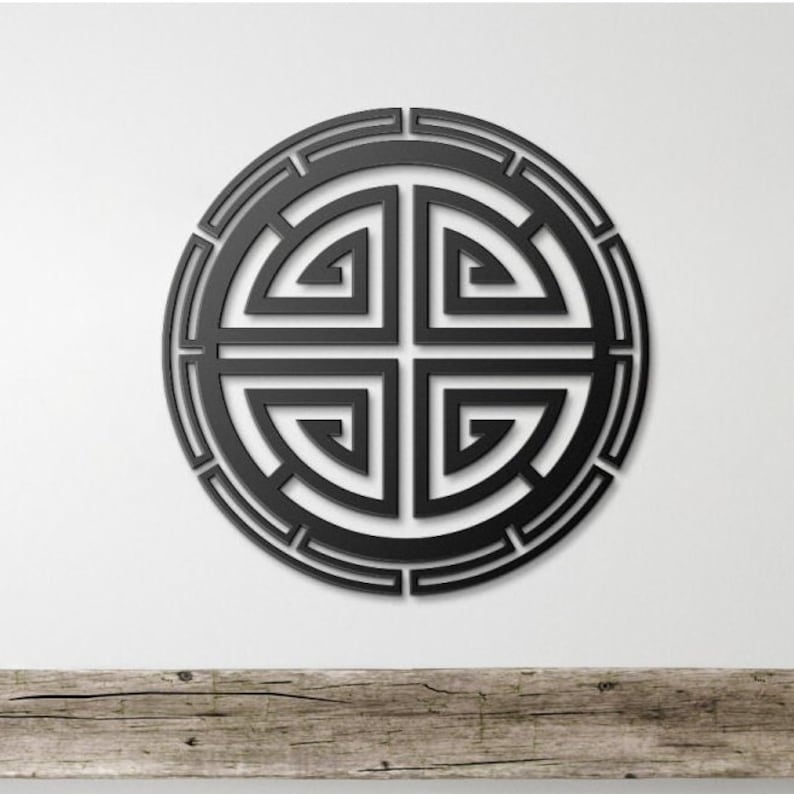
Lu – Symbol of Wealth and Prosperity:
Represented by the character 禄 (Lu), this symbol is synonymous with wealth and prosperity in Chinese culture.
With a history steeped in classical Chinese literature and philosophy, Lu signifies not only material abundance but also the continuous flow of resources.
Displayed during celebrations of prosperity and prominently featured in Feng Shui practices, the Lu symbol is believed to attract positive financial energy and ensure a flourishing life.
Lu Meaning: The Symbol of Wealth
The character 禄 (Lu) signifies “wealth” or “prosperity.” It is commonly portrayed as a civil servant or scholar, holding a scroll or a ruyi scepter, a symbol of power and success. Lu represents material abundance and financial success.

Its association with government positions in historical contexts adds layers to its significance, reflecting the desire for both personal and societal prosperity.
Shou Meaning: Symbol of Longevity:
The Shou symbol, depicted by the character 寿 (Shou), stands as a timeless representation of longevity and well-lived life. Rooted in ancient Chinese philosophy, Shou embodies the wish for a healthy, enduring existence.
The character’s fusion of radicals representing “life” and “long thread” symbolizes a continuous and resilient life journey.
Shou is often featured in celebrations of longevity, family contexts, and ancestral worship, serving as a powerful wish for the well-being and enduring happiness of loved ones.
Shou Meaning: The Symbol of Longevity
The character 寿 (Shou) means “longevity” or “long life.” It is often depicted as an old man with a long beard and a staff, symbolizing the attainment of a long and healthy life. Shou represents the wish to enjoy life to its fullest.
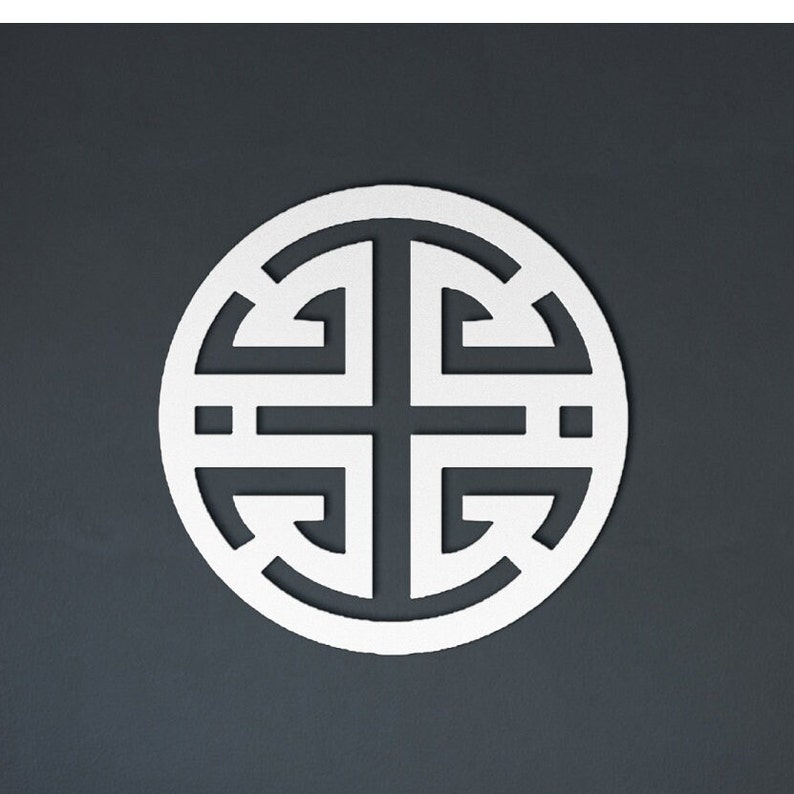
Xi – Symbol of Double Happiness:
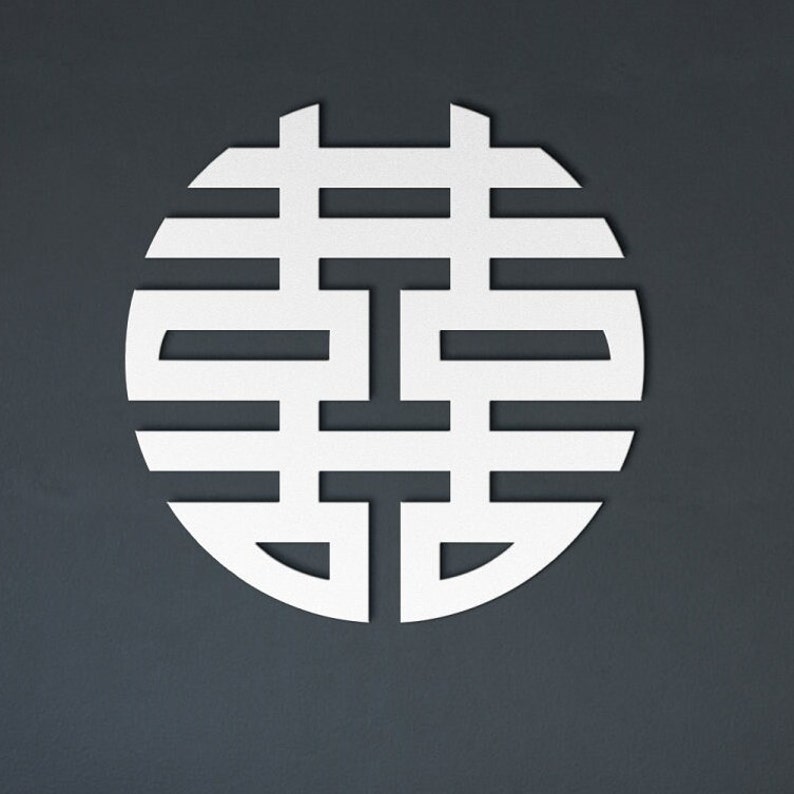
The Xi symbol, crafted by the character 喜 (Xi), is a dynamic emblem representing both happiness and the concept of double happiness.
Beyond its association with joy, Xi is often used to symbolize matrimonial bliss, signifying the harmonious union of two souls in marriage.
Its dual meaning and elegant calligraphy make Xi a popular motif in wedding decorations, invitations, and gifts, expressing the collective pursuit of happiness and prosperity in marital life.
Xi: The Symbol of Happiness
The character 喜 (Xi) translates to “happiness” or “joy.” It is often depicted as a couple holding hands or a child with a joyful expression. Xi represents the fulfillment of desires and the attainment of contentment.
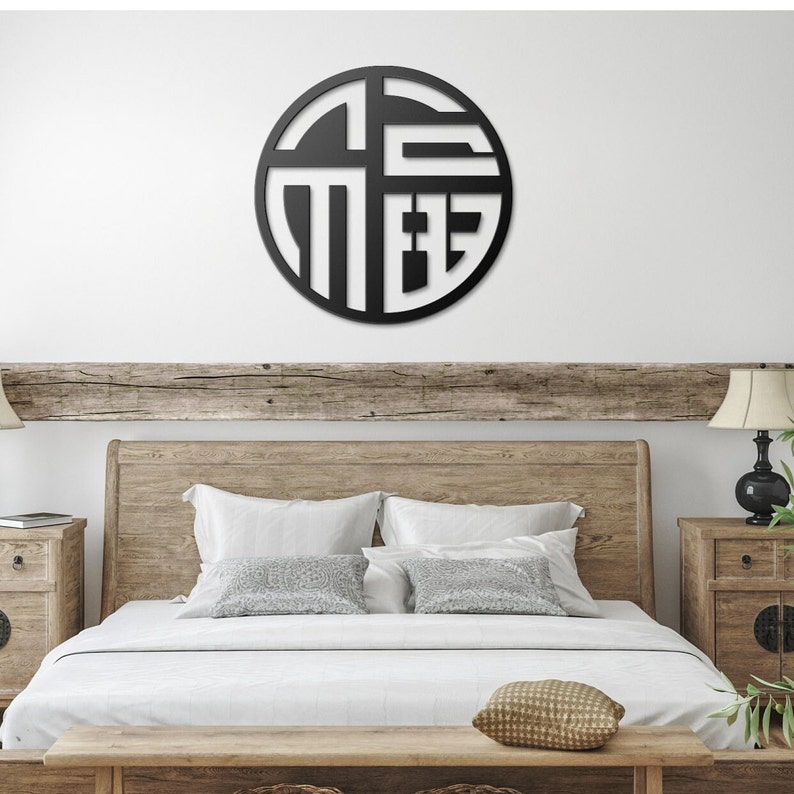
As you explore the world of these four Chinese luck symbols, Fu, Lu, Shou, and Xi, you embark on a journey through the cultural tapestry of China.
These four symbols, collectively known as Fu Lu Shou Xi, represent the four pillars of Chinese auspiciousness, embodying the hopes and aspirations of individuals for a life filled with good fortune, wealth, longevity, and happiness.
They are commonly used in decorations, artwork, and ornaments, serving as reminders of the blessings that life has to offer.
These symbols, deeply rooted in philosophy, tradition, and symbolism, continue to shape beliefs, celebrations, and the aesthetic choices of individuals seeking to invite positive energies into their lives.
Whether displayed during auspicious occasions, integrated into daily life, or simply appreciated for their profound meanings, these symbols serve as timeless reminders of the enduring human aspirations for blessings, prosperity, longevity, and the joyous pursuit of happiness.

Celina brings a wealth of experience to Hiddennumerology as our new Chief Editor.
With a bachelor’s degree in communication and journalism, she has built an impressive career editing for renowned publications focused on self-care and relationships.
Known for her empathetic approach, Celina’s edits will transform our content, infusing it with depth and emotional resonance. Her thoughtful revisions and additions aim to touch readers’ hearts, making each article not just informative, but deeply relatable.