1. David Ogilvy
Known For: “The Father of Advertising” and founder of Ogilvy & Mather.
Writing Style:
- Data-driven and research-focused.
- Clear, persuasive, and often conversational.
- Advocated for long-form copy and thorough product understanding.
Famous Work: The “Hathaway Man” campaign and Rolls-Royce ad: “At 60 miles an hour, the loudest noise in this new Rolls-Royce comes from the electric clock.”
Core Philosophy: “The consumer isn’t a moron; she’s your wife.” Ogilvy believed in respecting the intelligence of the audience and presenting products honestly.
- Techniques:
- Wrote copy that combined storytelling with clear, factual information.
- Master of the “big idea” – a central, simple concept that defines the campaign.
- Headlines accounted for 80% of ad success; Ogilvy was meticulous in crafting them.
- Long-form ads that positioned the product as the hero, focusing on its benefits and uniqueness.
Famous Example: Rolls-Royce Ad: “At 60 miles an hour, the loudest noise in this new Rolls-Royce comes from the electric clock.” He used research and imagery to position the car as a luxury standard.

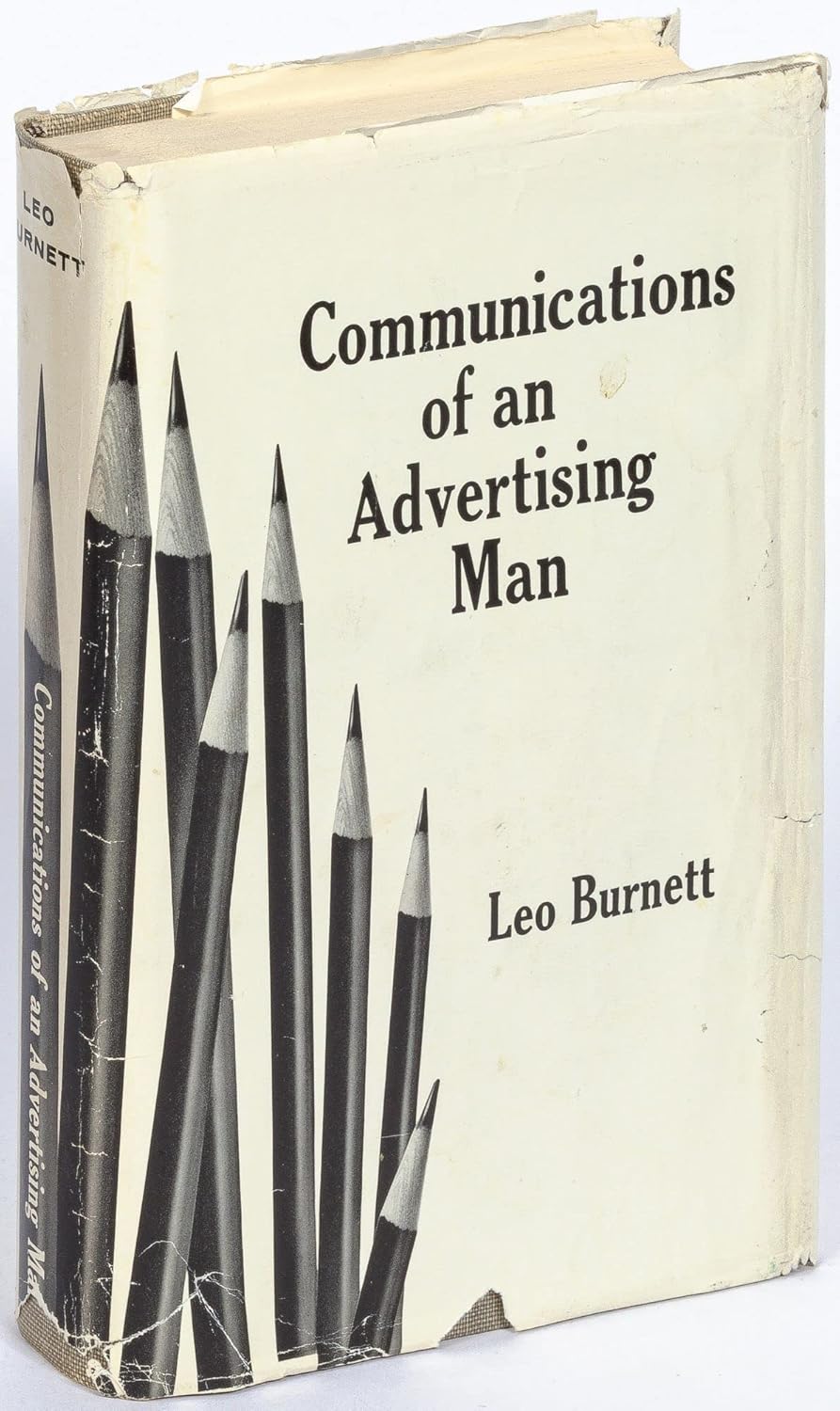
2. Leo Burnett
Known For: Creator of iconic brand mascots like Tony the Tiger and the Marlboro Man.
Writing Style:
- Emotional storytelling with relatable characters.
- Focused on evoking trust and connecting with the audience’s aspirations.
Famous Work: Marlboro Man campaign.
Core Philosophy: Believed in tapping into human emotions and aspirations. His campaigns often used symbolic characters and visual storytelling.
- Techniques:
- Developed “inherent drama,” a method of finding a product’s most compelling story.
- Utilized anthropomorphic characters (like Tony the Tiger) to connect emotionally with the audience.
- Focused on making ads simple, direct, and memorable.
Famous Example: Marlboro Man: Burnett transformed Marlboro into a rugged, masculine brand by creating an iconic cowboy persona.
3. Claude Hopkins

Known For: Pioneer of direct-response advertising.
Writing Style:
- Logical, benefit-focused, and educational.
- Emphasized testing and measurable results.
Famous Work: “Schlitz Beer” campaign, highlighting the purity of the brewing process.


4. Joseph Sugarman
Known For: The master of storytelling in direct mail.
Writing Style:
- Narrative-driven and deeply engaging.
- Emphasized curiosity and emotional triggers.
Famous Work: BluBlocker sunglasses ad campaigns.
Core Philosophy: Every word in the copy should guide the reader to the next. He emphasized storytelling and emotional resonance.
- Techniques:
- Opened with curiosity-inducing hooks to engage readers instantly.
- Made technical products (e.g., BluBlocker sunglasses) relatable through stories and benefits.
- Used humor and a conversational tone to make copy relatable and fun to read.
Famous Example: BluBlocker Ad Campaigns: His storytelling approach explained complex scientific benefits in engaging ways.

The Adweek Copywriting Handbook: by Joseph Sugarman
5. Eugene M. Schwartz
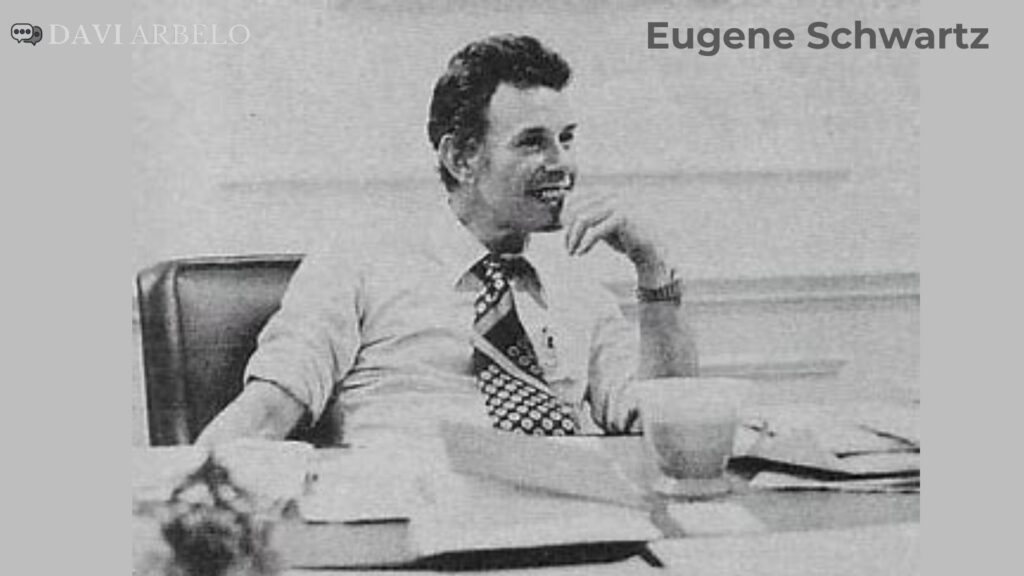
Known For: Author of Breakthrough Advertising.
Writing Style:
- Intense focus on the psychology of desire.
- Detailed, long-form copy that builds urgency and demand.
Famous Work: The concept of “Market Sophistication.”
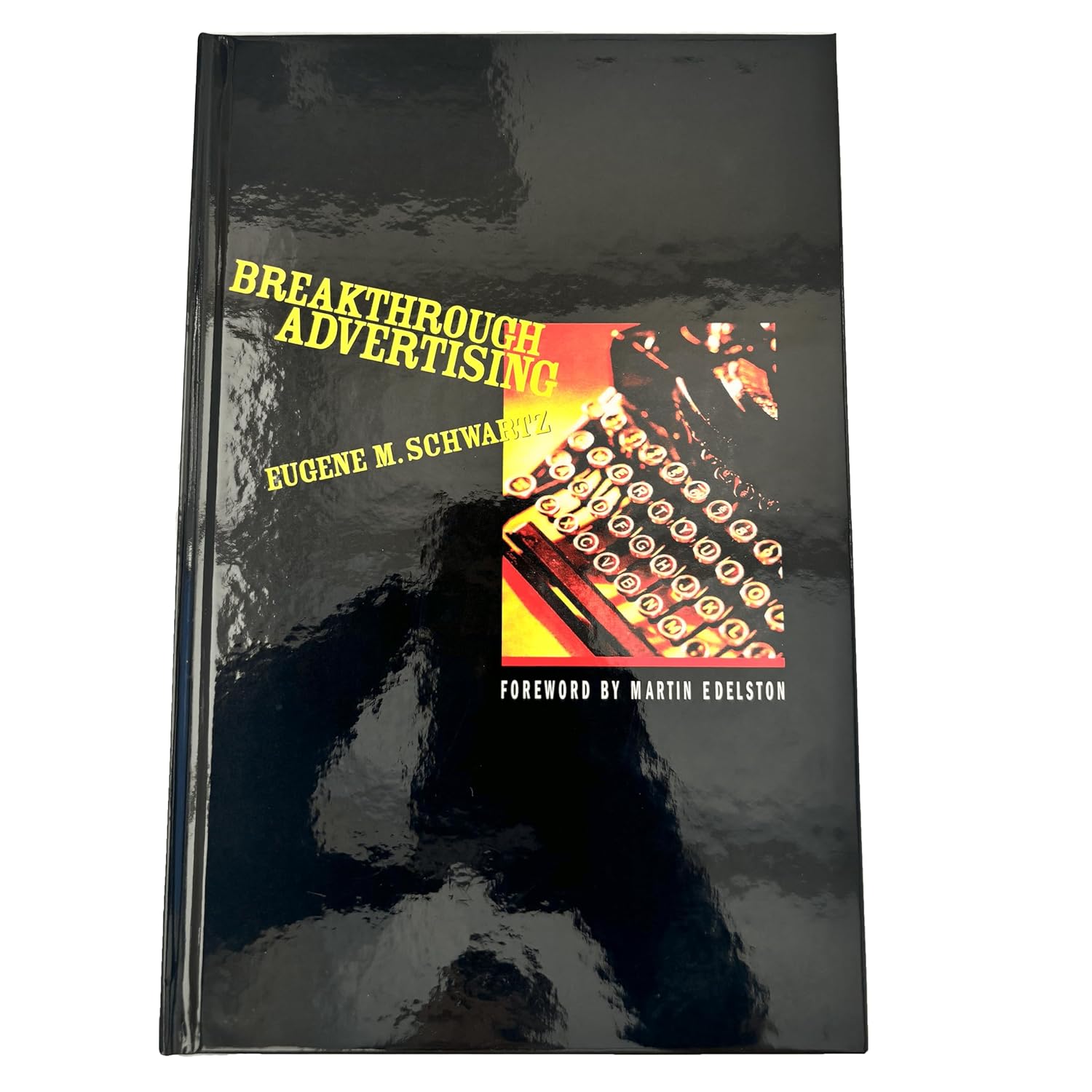
Breakthrough Advertising Hardcover – Unabridged, January 1, 2004 by Eugene M. Schwartz
6. Gary Halbert
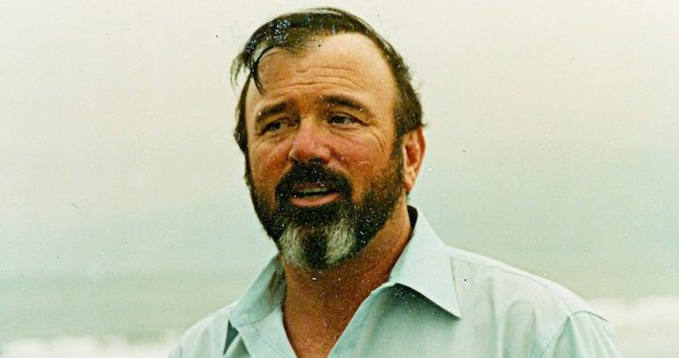
Known For: “The Prince of Print.”
Writing Style:
- Relatable and conversational, almost intimate.
- Known for creative hooks and storytelling.
Famous Work: “Coat of Arms” mail-order letters.

How To Make Maximum Money In Minimum Time Paperback – August 29, 2014
by Gary C. Halbert

Gary C. Halbert: The Prince of Print
7. Mary Wells Lawrence
Known For: First woman CEO of a company listed on the NYSE.
Writing Style:
- Bold, creative, and attention-grabbing.
- Focused on brand personality and disruptive ideas.
Famous Work: Alka-Seltzer’s “Plop, plop, fizz, fizz.”

A Big Life in Advertising by Mary Wells Lawrence
8. Drayton Bird
Known For: Expert in direct marketing and copywriting.
Writing Style:
- Practical, witty, and audience-centered.
- Focused on simplicity and clarity.
Famous Work: Commonsense Direct & Digital Marketing.

Commonsense Direct and Digital Marketing 5th Edition by Drayton Bird
9. Gary Bencivenga

Known For: One of the greatest living copywriters.
Writing Style:
- Persuasive, benefit-driven, and emotionally resonant.
- Known for testing-driven copy.
Famous Work: High-converting direct-mail campaigns.
Core Philosophy: “Persuasion is the ultimate art.” He relied heavily on research and testing.
- Techniques:
- Created ads that connected with deep emotional triggers like fear, greed, or aspiration.
- Known for long-form copy that kept the reader hooked from start to finish.
- Relied on compelling headlines and benefit-driven offers.
Famous Example: Numerous financial services campaigns with extraordinarily high response rates.
10. Robert Bly
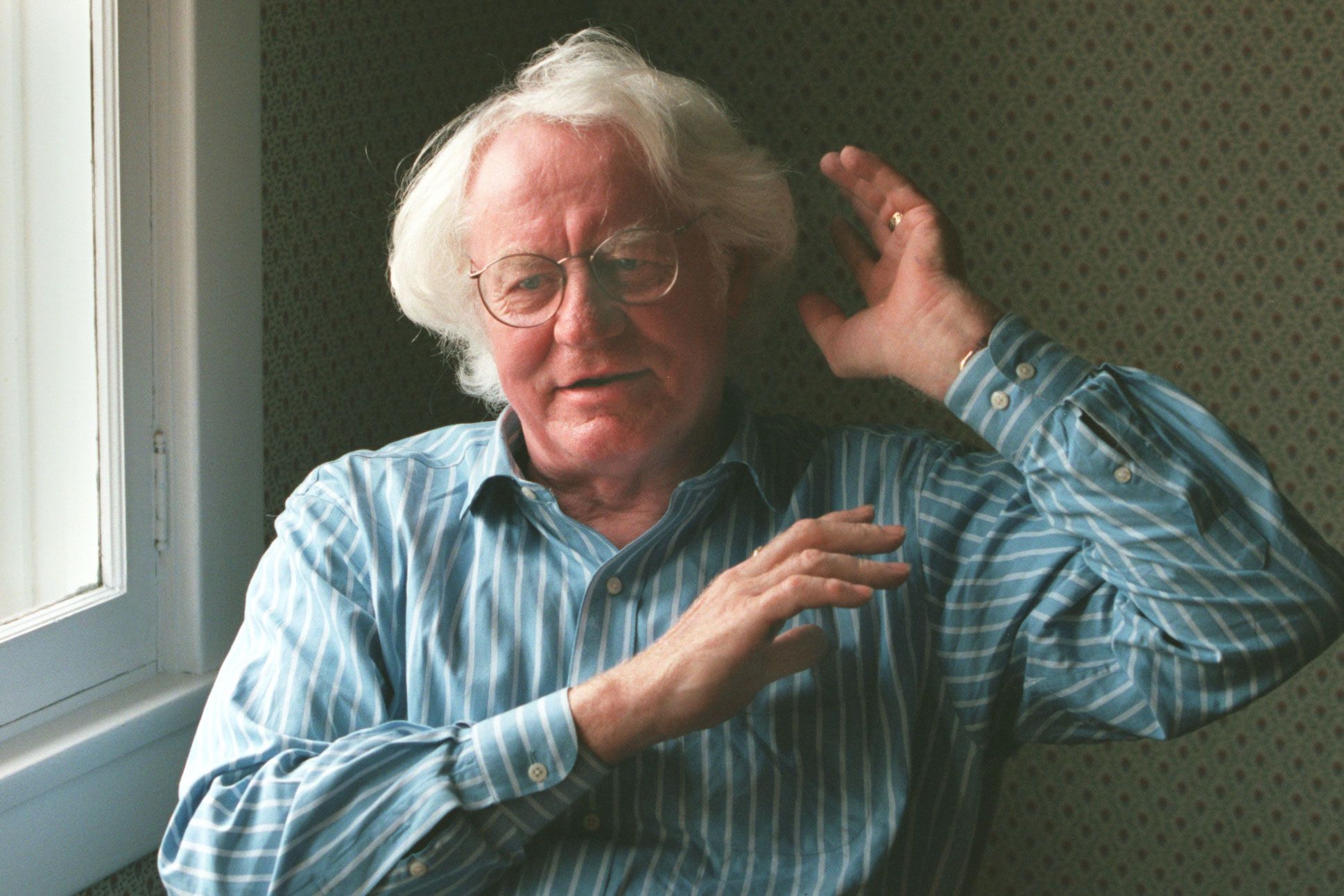
Known For: Prolific author of copywriting books.
Writing Style:
- Straightforward and value-driven.
- Focused on technical and professional services.
Famous Work: The Copywriter’s Handbook.
Core Philosophy: Practical and actionable copy is the backbone of successful marketing.
- Techniques:
- Focused on clarity and simplicity to highlight benefits.
- Excellent at bridging technical complexity into layman’s terms for B2B audiences.
- Frequently used bullet points to break down information clearly and concisely.
Famous Example: The Copywriter’s Handbook teaches foundational copy principles still in use today.
11. Robert Collier
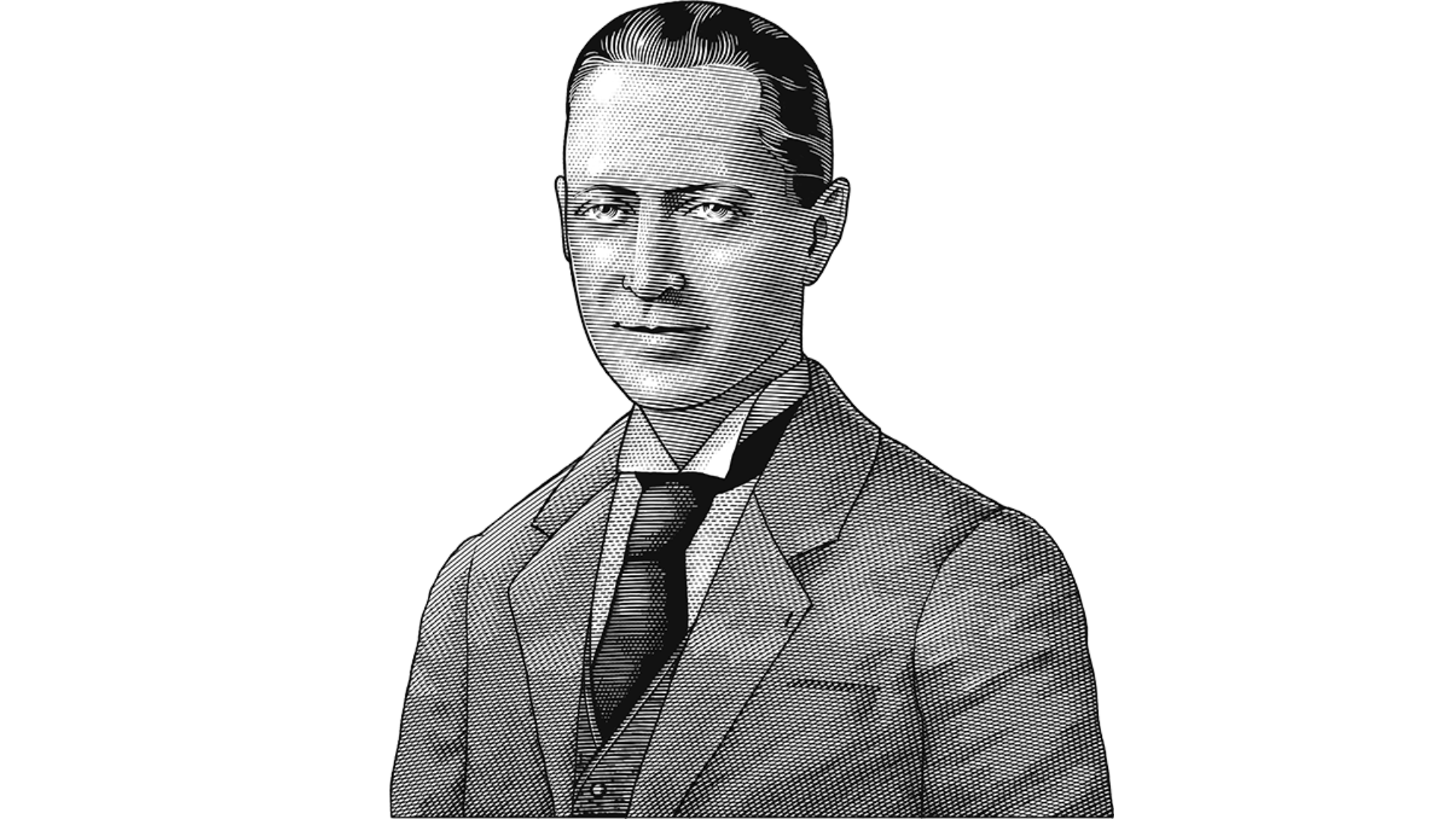
Known For: Author of The Robert Collier Letter Book.
Writing Style:
- Emphasized understanding the customer’s mindset.
- Benefit-first copy with emotional appeals.
Famous Work: Classic sales letters that directly addressed readers’ needs.
Core Philosophy: Copy should enter the “conversation already happening in the customer’s mind.”
- Techniques:
- Studied audience psychology to craft highly personalized messages.
- Used evocative language and relatable scenarios to appeal to emotions.
- Focused on benefits and tied them to emotional needs.
Famous Example: Letters that directly spoke to the needs and fears of Depression-era audiences, driving strong results.
12. John Caples

Known For: Expert in headlines and testing.
Writing Style:
- Results-focused and creative.
- Famous for his systematic approach to testing ad elements.
Famous Work: “They Laughed When I Sat Down at the Piano.”
13. Victor O. Schwab
Known For: Pioneering in direct-response advertising.
Writing Style:
- Analytical and benefit-focused.
- Structured copy with clear calls to action.
Famous Work: How to Write a Good Advertisement.
14. Alex Cattoni

Known For: Founder of The Copy Posse.
Writing Style:
- Conversational, modern, and engaging.
- Focused on authenticity and brand storytelling.
Famous Work: Personal branding and digital copywriting training.
Core Philosophy: Modern copy should focus on authenticity and emotional connection, especially for personal brands.
- Techniques:
- Conversational tone with an emphasis on storytelling and personal branding.
- Uses video content, email marketing, and digital campaigns to teach persuasive copy.
- Adapts classic copywriting principles to modern platforms (e.g., social media).
Famous Example: Founder of The Copy Posse, a platform dedicated to modern copywriting education.
15. Dan Kennedy

Known For: Direct marketing legend.
Writing Style:
- Direct, authoritative, and result-oriented.
- Combines urgency with clear benefit communication.
Famous Work: The Ultimate Sales Letter.
16. Demian Farnworth
Known For: Expert in web and content copywriting.
Writing Style:
- In-depth, emotional, and reader-focused.
- Master of long-form digital content.
Famous Work: Copyblogger articles and resources.
17. Helen Lansdowne Resor

Known For: First woman to create national advertising campaigns.
Writing Style:
- Emotion-driven and elegant.
- Focused on connecting products to human values.
Famous Work: Woodbury Soap’s “A Skin You Love to Touch.”
Core Philosophy: Use emotion and storytelling to create ads that resonate deeply, especially with women.
- Techniques:
- Crafted poetic and emotional copy, often with a touch of elegance.
- Advocated for a human approach to advertising, making it relatable and aspirational.
Famous Example: Woodbury Soap’s “A Skin You Love to Touch” campaign is one of the earliest examples of using sexuality subtly to sell a product.
18. Joanna Wiebe

Known For: Founder of Copyhackers.
Writing Style:
- Data-driven and conversion-focused.
- Known for actionable, sharp web copy.
Famous Work: SaaS and tech industry-focused copy training.
19. Brian Clark
Known For: Founder of Copyblogger.
Writing Style:
- Educative, strategic, and digital-first.
- Combines content marketing with persuasive copy.
Famous Work: Content marketing techniques and resources.
20. John Carlton

Known For: “The most ripped-off copywriter alive.”
Writing Style:
- Gritty, raw, and personal.
- Known for injecting personality into every word.
Famous Work: Breakthrough sales letters for various industries.
Core Philosophy: Copy should be raw, relatable, and dripping with personality.
- Techniques:
- Used humor, grit, and edgy tones to stand out.
- Wrote copy as if talking to a friend, making it accessible and authentic.
- Focused on high-impact openings and conversational storytelling.
Famous Example: Iconic direct-response sales letters that revolutionized industries from health to self-defense.
21. Clayton Makepeace

Known For: Copywriting for financial services.
Writing Style:
- Intriguing and benefit-heavy.
- Skilled at creating massive financial offers.
Famous Work: Million-dollar sales campaigns.
Core Philosophy: Strong, intriguing copy can create massive ROI.
- Techniques:
- Known for dramatic and suspenseful copy openings.
- Master of the financial and health industries, often writing very high-stakes, benefit-heavy campaigns.
- Deep understanding of the target audience’s fears and desires.
Famous Example: Multi-million-dollar campaigns for Agora Financial.
22. Joe Coleman
Known For: Web-focused content and copy.
Writing Style:
- Modern, conversational, and clear.
- Focused on business storytelling and concise calls to action.
23. Carol Gran
Known For: Successful direct-response campaigns.
Writing Style:
- Emotional and benefit-driven.
- Focused on empathy and understanding the audience’s pain points.
Core Philosophy: Focus on empathy and the emotional core of copy.
- Techniques:
- Built a reputation for understanding the customer deeply.
- Used storytelling and emotional appeal to make copy resonate on a personal level.
Famous Example: Successful campaigns in direct-response advertising that built strong audience connections.
24. Lorrie Morgan

Known For: Copywriting for women-focused brands.
Writing Style:
- Emotional, conversational, and personal.
- Known for her “Red Hot Copy” training.
Core Philosophy: Focused on women as an untapped audience in many industries.
- Techniques:
- Known for a warm, conversational, and relatable tone.
- Incorporated emotional storytelling that empowered her audience.
- Advocated for “copywriting with heart.”
Famous Example: Red Hot Copy, a training program for authentic copywriting.
25. Parris Lampropoulos

Known For: Master of direct-response marketing.
Writing Style:
- Analytical and persuasive.
- Blends storytelling with clear, actionable offers.
Famous Work: High-performing financial and health industry campaigns.
Core Philosophy: Testing and data reveal what truly works in copy.
- Techniques:
- Deep research into the product and audience.
- Uses long-form copy to create compelling, logic-based arguments.
- Expert in creating intrigue and crafting “Big Ideas.”
Famous Example: High-performing copy for health and financial sectors, generating millions in sales.

Celina brings a wealth of experience to Hiddennumerology as our new Chief Editor.
With a bachelor’s degree in communication and journalism, she has built an impressive career editing for renowned publications focused on self-care and relationships.
Known for her empathetic approach, Celina’s edits will transform our content, infusing it with depth and emotional resonance. Her thoughtful revisions and additions aim to touch readers’ hearts, making each article not just informative, but deeply relatable.