As Diwali approaches, we at HiddenNumerology want to take a moment to extend our heartfelt wishes to all our Indian readers around the globe.
Diwali, the festival of lights, holds a special place in our hearts, not just as a celebration, but as a time to reflect on the rich tapestry of Indian culture and the unity it brings to people everywhere.
Diwali Time and date in 2025 : Thu, Oct 31, 2024, 10:22 AM – Fri, Nov 1, 2024, 12:46 PM
Embracing the Spirit of Diwali
Diwali, also known as Deepavali, is a festival that embodies the triumph of light over darkness, knowledge over ignorance, and good over evil. It’s a time when homes are adorned with the warm glow of oil lamps (diyas), and hearts are filled with joy and hope.
This celebration is deeply rooted in Hindu mythology, with stories like the return of Lord Rama to Ayodhya, the victory of Lord Krishna over Narakasura, and the birth of Goddess Lakshmi.
What is Diwali? Diwali, also known as Deepavali, is a major Hindu festival celebrated across India and by Indian communities worldwide. It is known as the festival of lights and symbolizes the victory of light over darkness, good over evil, and knowledge over ignorance.
Why is Diwali celebrated? Diwali is celebrated for various reasons rooted in Hindu mythology. The most popular story is the return of Lord Rama to Ayodhya after a 14-year exile and his victory over the demon king Ravana. Other stories include the defeat of Narakasura by Lord Krishna and the birth of Goddess Lakshmi. Each story signifies the triumph of good over evil.
How is Diwali celebrated? Diwali is celebrated with great enthusiasm and joy. People clean and decorate their homes with oil lamps (diyas), colorful rangoli patterns, and lights. They perform religious rituals, offer prayers to deities like Goddess Lakshmi and Lord Ganesha, exchange gifts and sweets, and burst fireworks. It is a time for family gatherings, feasts, and sharing happiness.
What are the five days of Diwali? Diwali is a five-day festival, each day having its own significance:
- Dhanteras: The first day dedicated to wealth and prosperity, where people buy new items and worship Lord Dhanvantari.
- Naraka Chaturdashi (Choti Diwali): The second day celebrates the defeat of Narakasura, marked by early morning oil baths and lighting lamps.
- Lakshmi Puja (Main Diwali): The third day is the main celebration with prayers to Goddess Lakshmi and Lord Ganesha, lighting diyas, and bursting fireworks.
- Govardhan Puja: The fourth day celebrates Lord Krishna lifting the Govardhan Hill, with families preparing a variety of vegetarian dishes.
- Bhai Dooj: The fifth day celebrates the bond between brothers and sisters, with sisters performing aarti and brothers giving gifts.
What is the significance of lighting oil lamps (diyas) during Diwali? Lighting oil lamps (diyas) during Diwali symbolizes the victory of light over darkness and knowledge over ignorance. It is believed to invite the presence of Goddess Lakshmi into homes, bringing wealth, prosperity, and happiness.
How do different regions in India celebrate Diwali? While the essence of Diwali remains the same, different regions in India have their own unique customs and traditions:
- North India: Celebrations include lighting diyas, bursting fireworks, and performing Lakshmi Puja.
- South India: The festival often starts with early morning oil baths and involves creating intricate kolam (rangoli) designs.
- West India: In Gujarat, Diwali marks the end of the financial year, and new account books are inaugurated.
- East India: In Bengal, Kali Puja is performed on the night of Diwali, worshipping Goddess Kali.
What are some eco-friendly ways to celebrate Diwali? Eco-friendly ways to celebrate Diwali include using earthen diyas instead of electric lights, creating rangoli with natural colors, avoiding or minimizing the use of fireworks, recycling and reusing decorations, and opting for eco-friendly gifts and packaging.
How does Diwali promote the spirit of togetherness and community? Diwali promotes the spirit of togetherness and community by bringing family members and friends together for celebrations. It involves sharing sweets, gifts, and happiness with loved ones. Community events, cultural programs, and collective prayers also foster a sense of unity and belonging.
Why do people clean and decorate their homes during Diwali? Cleaning and decorating homes during Diwali is believed to invite Goddess Lakshmi, the deity of wealth and prosperity, into their homes. It signifies the removal of negativity and the welcoming of positive energy and good fortune.
How has the celebration of Diwali evolved with modern times? While traditional rituals remain integral, the celebration of Diwali has evolved with modern times. Eco-friendly practices, digital connectivity for virtual celebrations, and innovative decorations are becoming popular. Despite these changes, the core values of Diwali—celebrating light, joy, and togetherness—remain unchanged.
At HiddenNumerology, we embrace and cherish these stories and the profound meanings they hold.
They remind us of the values of love, resilience, and the eternal pursuit of knowledge and enlightenment—values that resonate deeply with our mission and our audience.
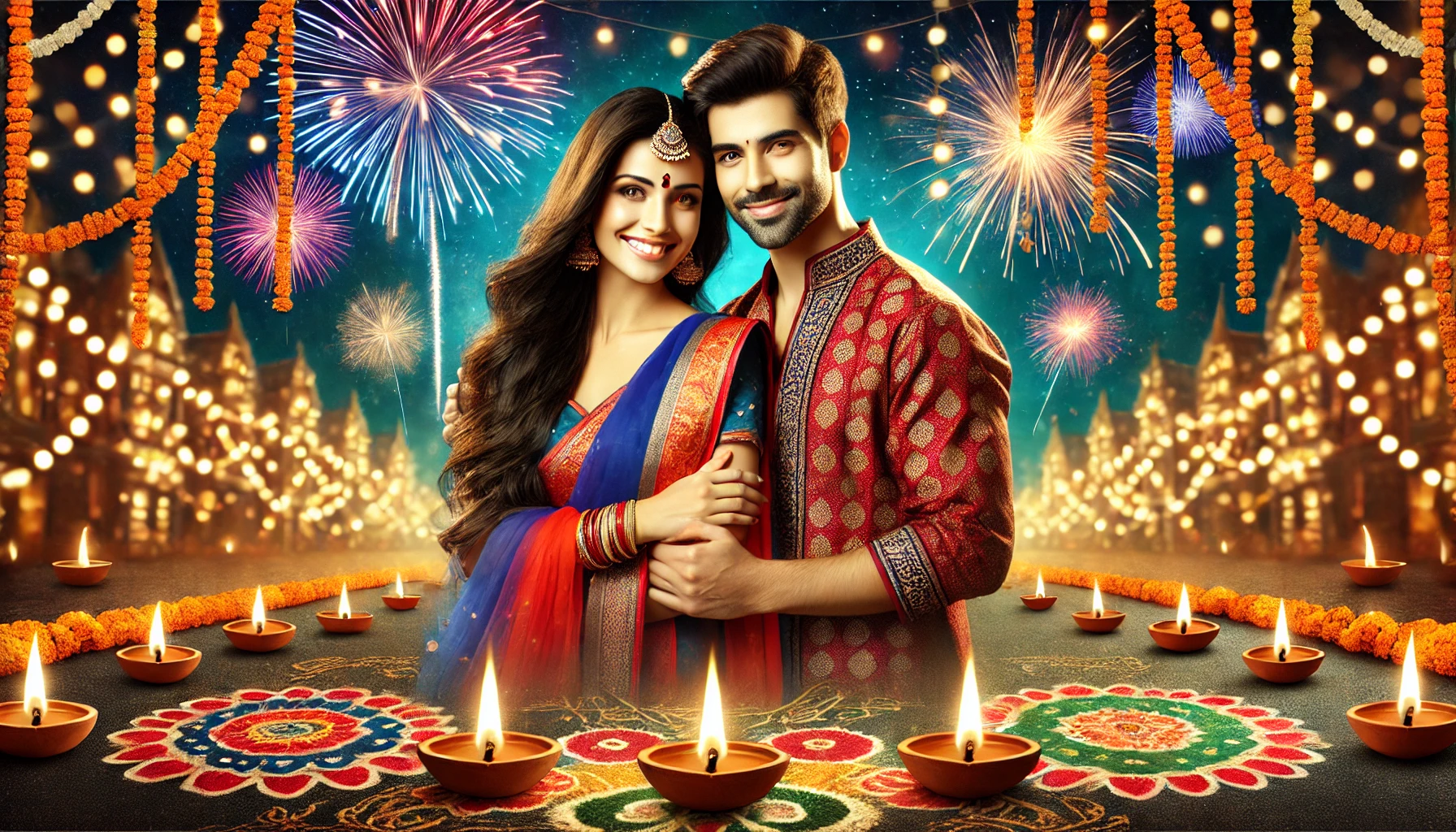
Celebrating with Traditions
Diwali is celebrated over five enchanting days, each filled with its own unique rituals and significance:
Dhanteras: This day marks the beginning of Diwali with prayers for wealth and health. It’s a time when families come together to clean their homes, decorate them beautifully, and purchase new items, symbolizing prosperity and new beginnings.
Naraka Chaturdashi (Choti Diwali): On this day, early morning oil baths and lighting lamps signify the purification of the body and the triumph of light. Fireworks and festive meals add to the joy.
Lakshmi Puja (Main Diwali): The most significant day, when families perform rituals to honor Goddess Lakshmi and Lord Ganesha. Homes glow with the light of diyas, colorful rangoli designs, and the warmth of togetherness.
Govardhan Puja: Celebrating Lord Krishna’s devotion, this day brings families together to prepare and enjoy a variety of vegetarian dishes, symbolizing abundance and gratitude.
Bhai Dooj: The festival concludes with a celebration of the bond between brothers and sisters. It’s a day of love, protection, and the exchange of heartfelt gifts and blessings.
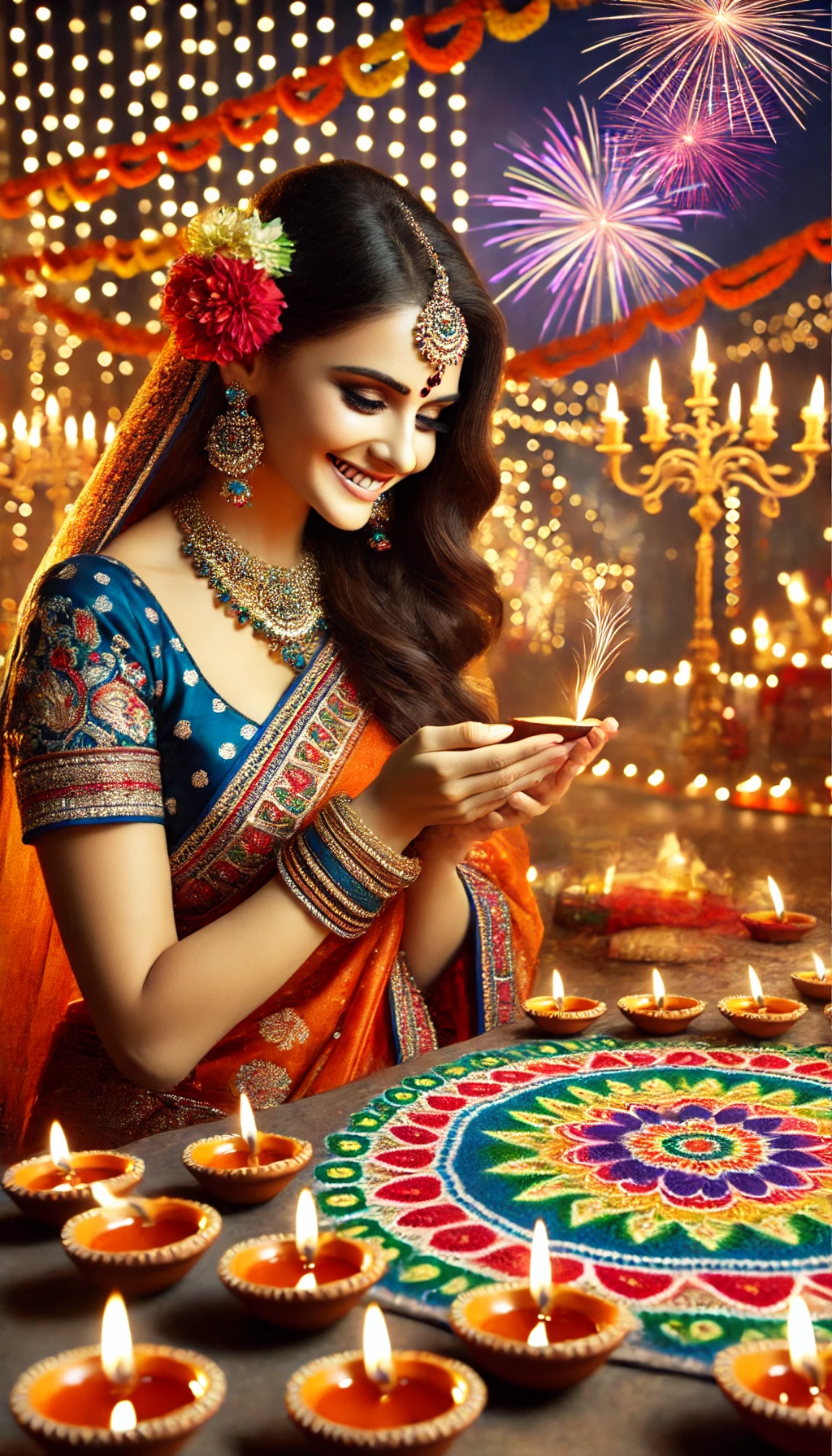
A Global Celebration
Diwali is not confined to the boundaries of India. It’s a festival that unites Indian communities across the world. From the United States to the United Kingdom, Canada to Australia, Diwali is celebrated with the same fervor and joy. At HiddenNumerology, we are proud to witness how this festival brings people together, transcending geographical boundaries and fostering a sense of unity and belonging.
Honoring Tradition and Embracing Modernity
While the essence of Diwali remains timeless, we see a beautiful blend of tradition and modernity in its celebration. Many are choosing eco-friendly options, like green crackers and natural rangoli colors, to honor the environment.
Digital advancements have also made it possible for families to connect and celebrate together, no matter where they are in the world.
At HiddenNumerology, we embrace these changes, seeing them as a testament to the adaptability and resilience of Indian culture. We are inspired by the way traditions are preserved while new, sustainable practices are adopted.
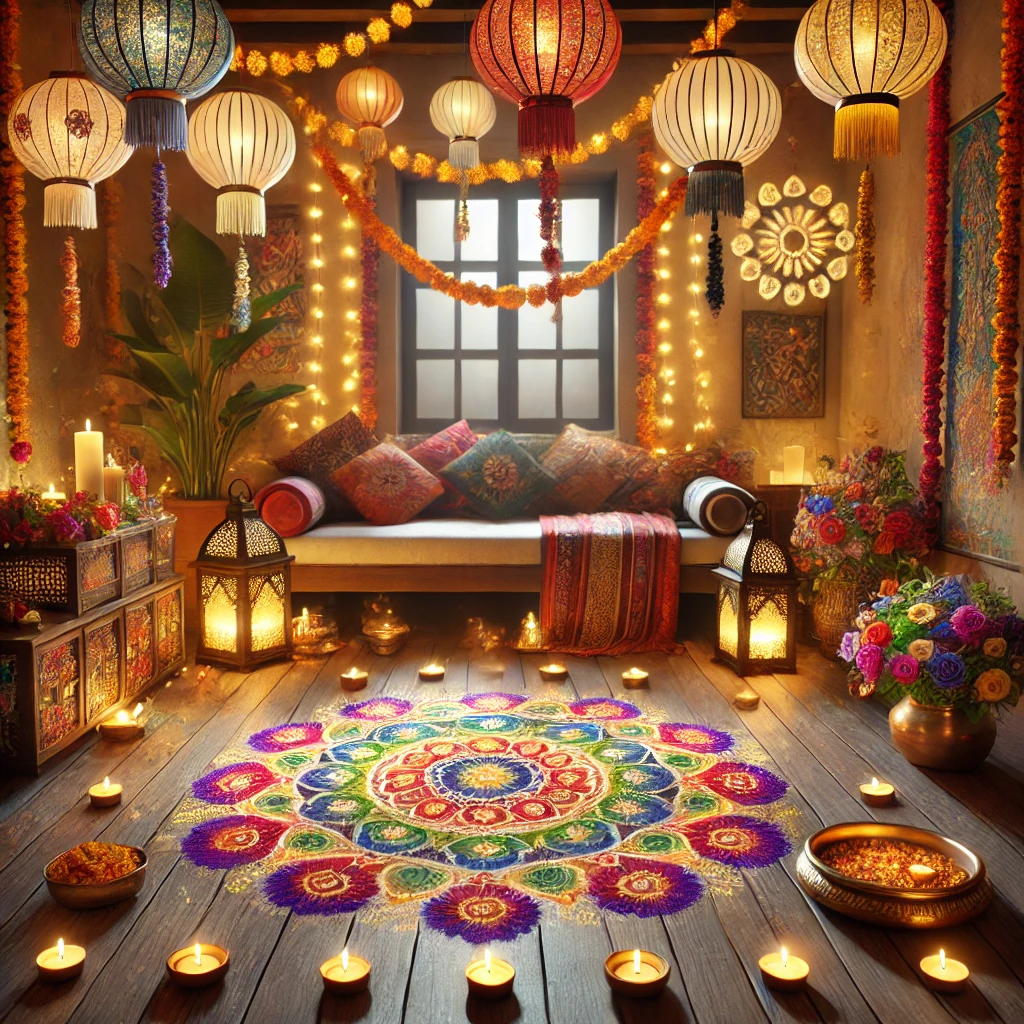
A Message from HiddenNumerology
To our cherished readers, Diwali is more than just a festival; it’s a time to celebrate the values that bind us together. It’s a reminder of the importance of love, compassion, and togetherness. As you light your diyas this Diwali, we hope they illuminate not just your homes, but also your hearts, filling them with joy, peace, and prosperity.
We at HiddenNumerology are grateful for your continued readership and support. Your rich cultural heritage and the values you uphold inspire us every day. We are honored to be a part of your journey, and we look forward to celebrating many more Diwalis with you.
From our family to yours, may this Diwali bring you immense happiness, good health, and abundant blessings. May the festival of lights shine brightly on you and your loved ones.
Happy Diwali!
With warm regards,
The HiddenNumerology Team

Celina brings a wealth of experience to Hiddennumerology as our new Chief Editor.
With a bachelor’s degree in communication and journalism, she has built an impressive career editing for renowned publications focused on self-care and relationships.
Known for her empathetic approach, Celina’s edits will transform our content, infusing it with depth and emotional resonance. Her thoughtful revisions and additions aim to touch readers’ hearts, making each article not just informative, but deeply relatable.