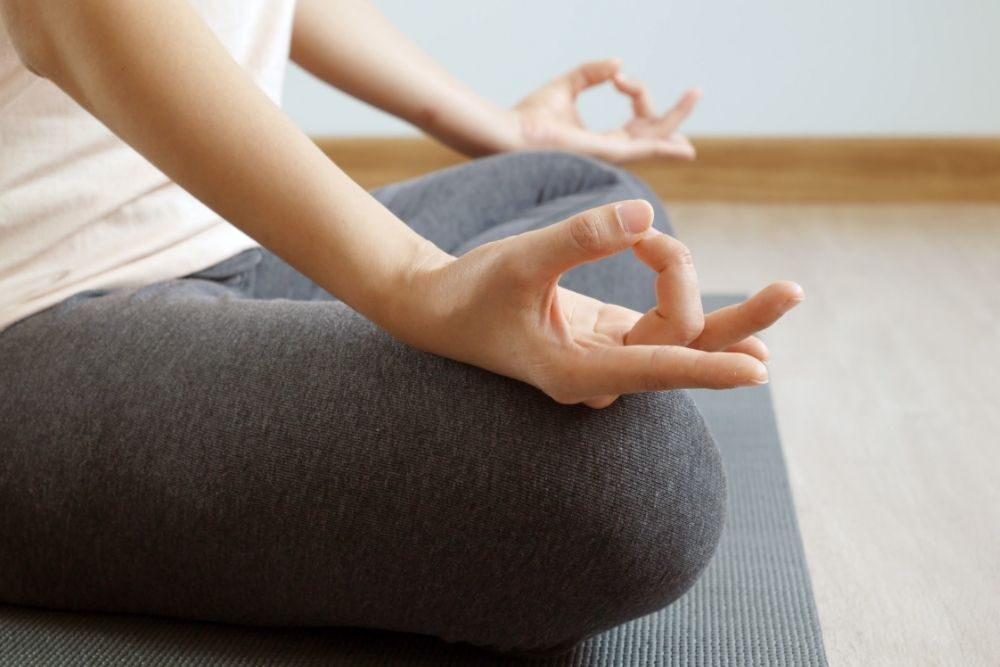
Square breathing, also known as box breathing or relaxation breathing, is a breathing technique that helps reduce stress and anxiety by regulating your breathing pattern.
Square breathing involves inhaling, holding, exhaling, and holding again, each for a count of four, think of the sides of a square, and hence you have square breathing or 4-4-4-4 also known as the4x4 breathing technique.
This technique can be done anywhere and anytime to help reset your breath and return to a more relaxed state.
Box Breathing Timer
Top → Right → Bottom → Left (4 seconds each side)
Box Breathing Timer Functionality:
- 4-second timer for each breathing phase (Inhale → Hold → Exhale → Hold)
- Visual feedback: the circle scales and changes color during different phases
- Start/Pause/Reset controls
- Cycle counter to track completed breathing rounds
- Clear phase indicators and countdown display
What is Square Breathing / Box Breathing?
Box breathing is a simple breathing technique. It’s also called square breathing or 4-4-4-4 breathing.
The name comes from its pattern. You breathe in four equal parts. Each part lasts the same amount of time.
This creates a “box” or “square” pattern. It’s like drawing a box with your breath.
How Square Breathing Works
The technique follows four steps:
- Inhale for 4 counts
- Hold your breath for 4 counts
- Exhale for 4 counts
- Hold empty lungs for 4 counts
Then you repeat the cycle. Each side of the breathing “square” is equal.
Step-by-Step Instructions
Start by sitting comfortably. Keep your back straight.
Step 1: Breathe in slowly through your nose. Count to 4.
Step 2: Hold your breath. Count to 4 again.
Step 3: Exhale slowly through your mouth. Count to 4.
Step 4: Hold your empty lungs. Count to 4.
Repeat this cycle 4-8 times. You can do it anywhere.
Benefits of 4-4-4-4 Breathing
Stress Reduction
Box breathing activates your parasympathetic nervous system. This is your body’s “rest and digest” mode.
It helps lower cortisol levels. Cortisol is your main stress hormone.
Regular practice reduces overall anxiety. You’ll feel calmer throughout the day.
Improved Focus
The counting requires concentration. This trains your attention span.
It brings you into the present moment. Your mind stops wandering.
Many people use it before important tasks. It clears mental fog.
Better Sleep Quality
Square breathing before bed is effective. It signals your body to relax.
Your heart rate slows down. Your blood pressure drops.
This makes falling asleep easier. You’ll also sleep more deeply.
Enhanced Emotional Control
The technique helps regulate emotions. You pause between feeling and reacting.
It creates space for better decision-making. You respond instead of reacting.
This is especially helpful during conflicts. Or when facing difficult situations.
Physical Health Benefits
Box breathing improves oxygen flow. Your cells get more nutrients.
It can lower blood pressure over time. This reduces heart disease risk.
The technique also strengthens your diaphragm. This improves overall breathing efficiency.
When to Use Square Breathing
Before stressful events: Job interviews, presentations, or difficult conversations.
During anxiety attacks: It provides immediate calming effects.
At bedtime: Helps transition from day mode to sleep mode.
After exercise: Aids in faster recovery and relaxation.
During work breaks: Refreshes your mind and reduces tension.
Tips for Success
Start with shorter counts if 4 feels too long. You can use 3 counts instead.
Practice regularly for best results. Even 5 minutes daily helps.
Find a quiet space when learning. Later you can do it anywhere.
Don’t force your breathing. Keep it natural and comfortable.
Be patient with yourself. The technique improves with practice.
Common Mistakes to Avoid
Don’t hold your breath too forcefully. This creates tension.
Avoid breathing too quickly. The goal is calm, controlled breaths.
Don’t worry about perfect timing. Approximate counts work fine.
Stop if you feel dizzy. You might be breathing too deeply.
Scientific Background
Research shows box breathing affects the vagus nerve. This nerve controls your relaxation response.
Studies indicate it reduces inflammatory markers. This supports overall health.
The technique also balances your autonomic nervous system. This improves heart rate variability.
Navy SEALs and other elite groups use this method. It’s proven effective under extreme stress.
Getting Started Today
Box breathing requires no equipment. You can start right now.
Begin with just 2-3 cycles. Gradually increase as you get comfortable.
Set a daily reminder on your phone. Consistency builds the habit.
Try it during your commute or lunch break. These are perfect practice times.
Remember: 4-4-4-4 breathing is a skill. Like any skill, it improves with practice.

Celina brings a wealth of experience to Hiddennumerology as our new Chief Editor.
With a bachelor’s degree in communication and journalism, she has built an impressive career editing for renowned publications focused on self-care and relationships.
Known for her empathetic approach, Celina’s edits will transform our content, infusing it with depth and emotional resonance. Her thoughtful revisions and additions aim to touch readers’ hearts, making each article not just informative, but deeply relatable.
Page Contents