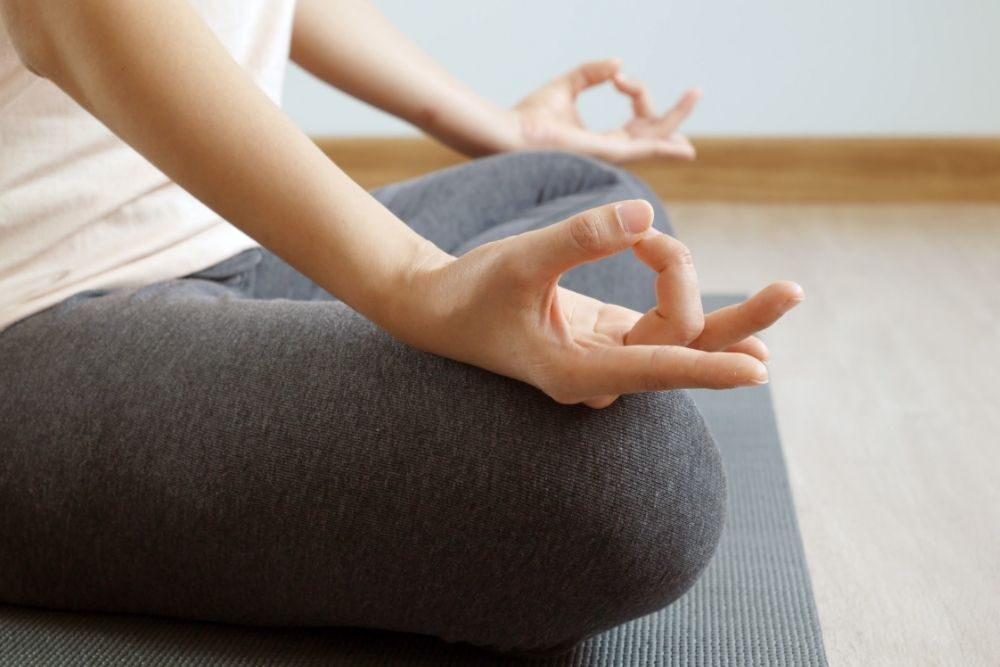
Breathing is more than just survival.
Breathing Techniques are powerful tools to improve mental clarity, reduce stress, and support physical health.
From athletes to yogis, people across the world use breathing techniques to control anxiety, improve sleep, and boost heart health.
Here’s a guide to the most effective and scientifically supported breathing methods.
1. Paced Breathing
Paced breathing means slowing your breath to a consistent rhythm.
Try inhaling for 4 seconds and exhaling for 6.
This style of breathing helps regulate your nervous system.
It reduces stress hormones and promotes a feeling of calm.
2. Heart Rate Variability Breathing (HRV Breathing)
This technique supports heart-brain coherence.
It involves slow, rhythmic breathing at your personal “resonance frequency.”
Usually, this is around 5.5–6 breaths per minute.
HRV breathing increases resilience, lowers anxiety, and improves emotional balance.
3. Square Breathing (Box Breathing)
Used by Navy SEALs and mindfulness experts alike.
Inhale for 4 seconds.
Hold for 4 seconds.
Exhale for 4 seconds.
Hold again for 4 seconds.
Repeat.
This technique increases focus and mental control.
Great before a presentation, test, or stressful event.
4. Nostril Breathing (Alternate Nostril or Nadi Shodhana)
A classic in yogic breathwork.
Close your right nostril.
Inhale through the left.
Switch.
Exhale through the right.
Then reverse.
This balances the nervous system and clears mental fog.
It’s often used in meditation and yoga for mental clarity and inner peace.
5. Belly Breathing (Diaphragmatic Breathing)
Place a hand on your belly.
Inhale deeply through your nose.
Feel your belly expand—not your chest.
Exhale slowly through your mouth.
This style of breathing activates the vagus nerve and calms the stress response.
It’s ideal for managing panic, tension, and chronic pain.
6. Resonance Breathing (Coherent Breathing)
Similar to HRV breathing.
It involves breathing at a steady rhythm—usually 5 to 6 breaths per minute.
Inhale for 5–6 seconds.
Exhale for 5–6 seconds.
Repeat for 10–20 minutes.
This creates a harmonic rhythm between the lungs, heart, and brain.
It’s often used to reduce insomnia, depression, and high blood pressure.
7. Pursed-Lip Breathing
Inhale through the nose for 2 seconds.
Exhale slowly through pursed lips for 4 seconds.
Think of blowing out a candle.
This technique helps release trapped air in the lungs.
Especially helpful for people with asthma, COPD, or anxiety.
8. Humming Bee Breath (Bhramari Pranayama)
Inhale deeply.
Then hum as you exhale.
The vibration soothes the nervous system.
It’s a quick way to calm racing thoughts or tension.
Try it in a quiet room to feel the full effect.
How to Choose the Right Breathing Technique
- Feeling anxious? Try belly breathing or HRV breathing.
- Need to focus? Square breathing can sharpen concentration.
- Want deeper sleep? Resonance breathing or paced breathing can help.
- Tight chest or shortness of breath? Try pursed-lip breathing.
- Looking for emotional balance? Alternate nostril breathing is ideal.
The Takeaway
Breathing is the bridge between your body and mind.
By practicing simple breathwork exercises daily, you can:
- Lower stress
- Improve emotional regulation
- Boost heart rate variability
- Support mental clarity
- Deepen your sleep
- Start with just five minutes a day.
Breathe with intention.
Feel the difference.
Meditation and Breathing Timers
Breathing Techniques 478 Breathing Timer Breathing App Timer Meditation Timer 4-7-8 Breathing Box Breathing Timer The Buteyko Breathing Method App Timer Wim Hof Breathing Method Online Meditation Timer
. . .

Celina brings a wealth of experience to Hiddennumerology as our new Chief Editor.
With a bachelor’s degree in communication and journalism, she has built an impressive career editing for renowned publications focused on self-care and relationships.
Known for her empathetic approach, Celina’s edits will transform our content, infusing it with depth and emotional resonance. Her thoughtful revisions and additions aim to touch readers’ hearts, making each article not just informative, but deeply relatable.
Page Contents