When I first heard about the ketogenic diet, I’ll admit, I was a little skeptical. A diet that encourages eating bacon and butter? It sounded too good to be true!
But as I dug deeper and eventually tried it out myself, I discovered that keto isn’t just about loading up on fats—it’s a carefully balanced approach to eating that can lead to some pretty amazing health benefits.
However, to really make the most of this high-fat, low-carb lifestyle, there are certain foods you’ll need to avoid. Trust me, I’ve had to say goodbye to a few of my favorites, but the results have been worth it.
So, what exactly is the ketogenic diet? In a nutshell, it’s a way of eating that drastically reduces your intake of carbohydrates and increases your consumption of fats.
The goal is to shift your body into a state called ketosis, where it starts burning fat for fuel instead of carbs. This can lead to weight loss, increased energy, and even improved mental clarity.
But for your body to get into and stay in ketosis, it’s crucial to avoid foods that are high in carbs—even if they’re foods you used to love.
One of the first things I had to come to terms with was cutting out bread.
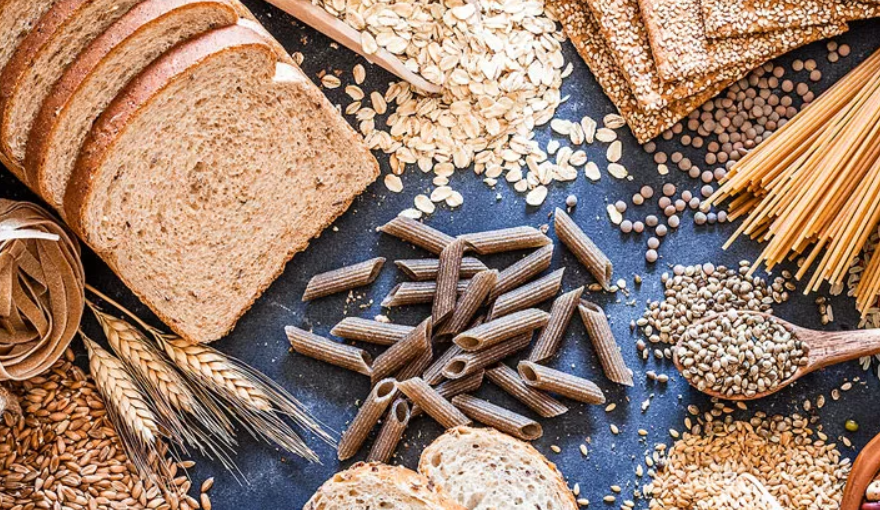
This was a tough one because, like many people, I’ve always had a soft spot for a warm, crusty loaf. But bread, whether it’s white, whole wheat, or even that fancy artisanal stuff, is packed with carbs. Even just one slice can be enough to knock you out of ketosis.
I quickly learned to swap out bread for keto-friendly alternatives, like lettuce wraps or almond flour-based breads, which still give me that sandwich satisfaction without all the carbs.
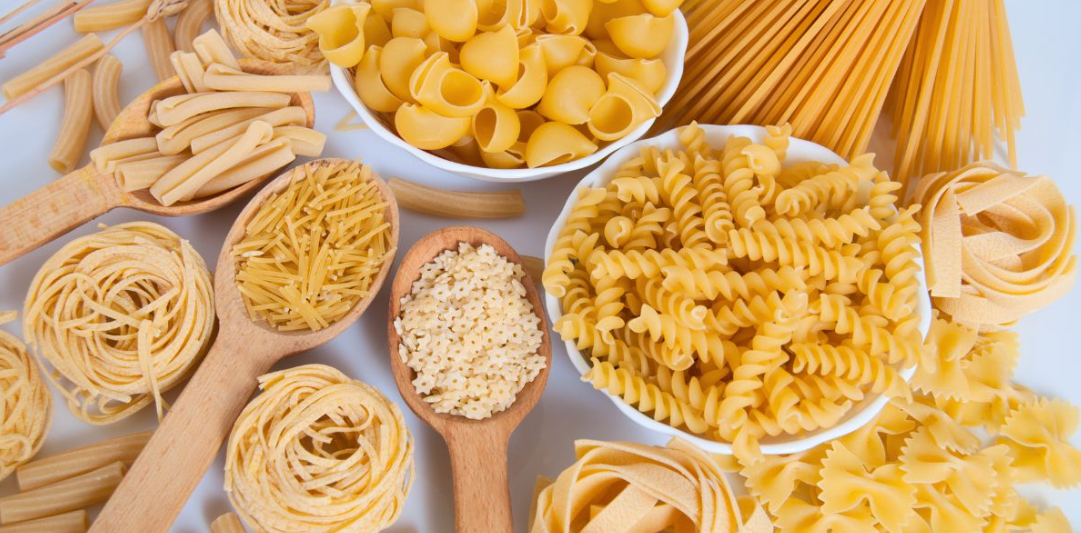
Pasta was another big one for me. I used to think of pasta as the ultimate comfort food, whether in the form of spaghetti, lasagna, or a big bowl of mac and cheese.
But regular pasta is made from wheat, which means it’s loaded with carbs—definitely not keto-friendly. Luckily, there are some great alternatives out there, like zucchini noodles (or zoodles) and shirataki noodles, which are low in carbs and surprisingly satisfying. It took a little while to get used to the texture, but now I actually prefer them.
No more pasta
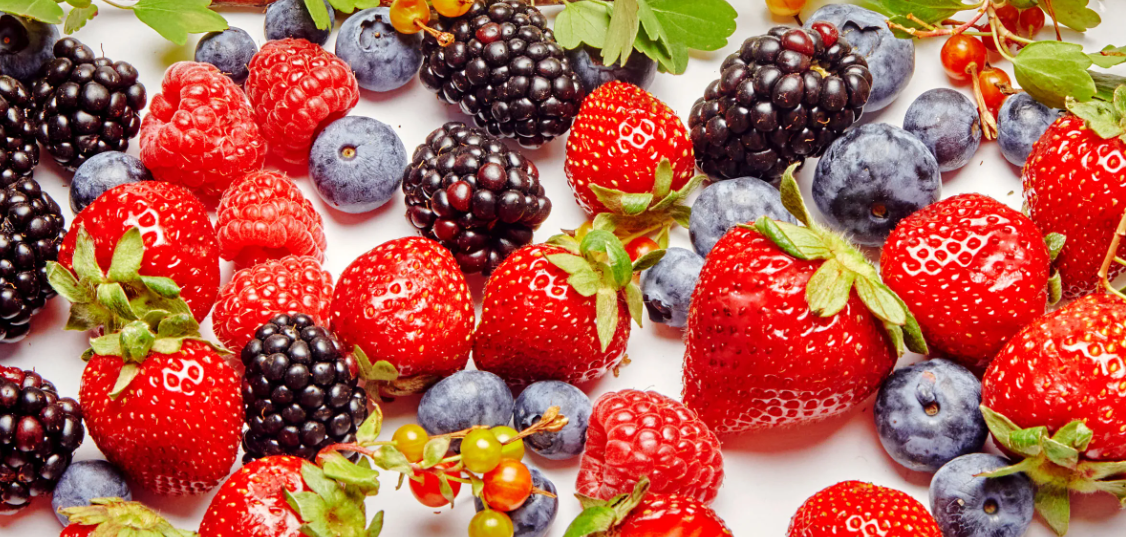
Fruit was a bit of a surprise. I always thought of fruit as a healthy snack, full of vitamins and antioxidants. And while that’s true, fruit is also full of natural sugars, which are still carbs at the end of the day. I was particularly sad to let go of bananas and apples, which I used to eat almost daily.
But on keto, these higher-carb fruits can interfere with ketosis. Instead, I’ve embraced berries—like strawberries, raspberries, and blackberries—which are lower in carbs and just as delicious.
Then there’s the issue of starchy vegetables. I used to load up my plate with potatoes, corn, and peas, thinking they were a healthy side dish. But these veggies are high in starch, which means they’re also high in carbs. On keto, it’s better to stick with non-starchy vegetables like spinach, broccoli, cauliflower, and zucchini.
These veggies are low in carbs but still provide plenty of fiber and nutrients. And honestly, roasted cauliflower has become my new go-to side dish—it’s so versatile and delicious.
Sugar is another big no-no on the ketogenic diet. This one might seem obvious, but sugar is hiding in so many places that it’s easy to overlook. I had to start paying closer attention to food labels because even things like salad dressings, ketchup, and sauces can be loaded with hidden sugars.
These little bits of added sugar can add up quickly and throw your body out of ketosis. I’ve started using sugar substitutes like stevia or erythritol, which don’t have the same impact on blood sugar levels.
And let’s not forget about most grains. Rice, oats, and even quinoa, which are often seen as healthy whole grains, are packed with carbs. I used to have oatmeal for breakfast almost every morning, but that’s a thing of the past now.
Instead, I’ve found that a bowl of chia seed pudding with a splash of almond milk and a few berries hits the spot without all the carbs.
Finally, I had to rethink my relationship with alcohol. While some alcoholic beverages are low in carbs (hello, vodka and soda!), most beers, cocktails, and sweet wines are full of sugars and carbs.
It was tough to skip that glass of wine with dinner, but I’ve learned to enjoy the occasional keto-friendly drink in moderation.
So, there you have it—a glimpse into the foods you’ll need to avoid on a ketogenic diet. It might seem daunting at first, but once you get the hang of it, the keto lifestyle can be incredibly rewarding.
The key is to focus on all the delicious foods you can eat and to find creative ways to satisfy those cravings that might pop up for the foods you’ve left behind. Your body will thank you, and who knows? You might just discover some new favorite foods along the way.
Foods and Meals to Enjoy on a Keto Diet (Plus Some Supplement Tips)
When I first dipped my toes into the ketogenic lifestyle, I was a little worried that my meals would end up being repetitive or, worse, bland. But let me tell you, keto has completely transformed the way I think about food.
It’s not just about cutting carbs; it’s about embracing a whole new way of eating that’s rich, satisfying, and surprisingly diverse. I’ve discovered so many delicious foods and meals that I genuinely look forward to, and I’m excited to share some of them with you.
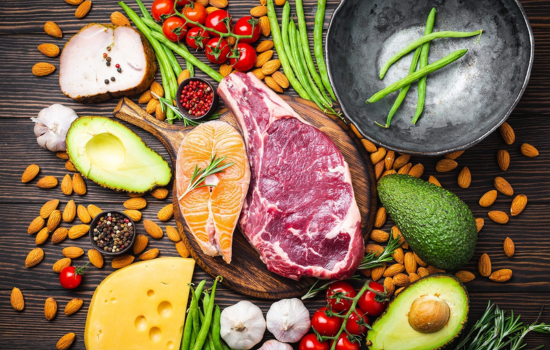
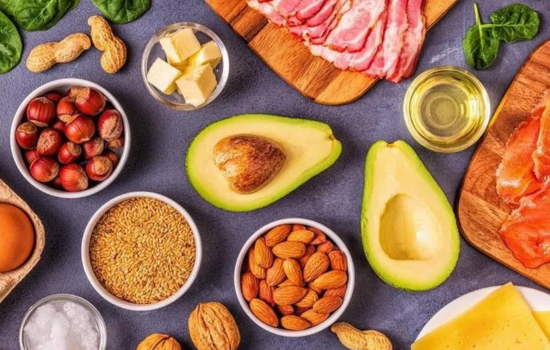
Let’s start with one of my absolute favorite keto-friendly foods: avocados. These creamy, delicious fruits are not only packed with healthy fats, but they’re also low in carbs, making them a perfect staple for any keto meal.
I love mashing up avocado with a little lime juice and salt for a quick and easy guacamole, which I’ll pair with some fresh veggies like cucumber slices or bell pepper strips for dipping.
Another go-to is simply slicing an avocado in half, sprinkling it with some everything bagel seasoning, and digging in with a spoon. It’s a simple, satisfying snack that never gets old.
Eggs are another keto superstar. They’re incredibly versatile and can be enjoyed in so many ways. On busy mornings, I’ll whip up a quick scrambled egg with some spinach and cheese, or if I have a bit more time, I might make a fluffy omelet packed with veggies and topped with a dollop of sour cream.
And let’s not forget about the magic of a soft-boiled egg over a bed of arugula, drizzled with olive oil and sprinkled with salt and pepper—it’s a light but filling meal that hits all the right notes.
Cheese lovers, rejoice! Keto is a diet where you can actually enjoy cheese without guilt. Whether it’s mozzarella, cheddar, or a rich Brie, cheese is a great way to add flavor and fat to your meals.
One of my favorite snacks is simply pairing some sharp cheddar with a few slices of deli meat (just be sure it’s low-carb) for a quick, satisfying bite.
And when I’m in the mood for something a little more decadent, I’ll bake some Parmesan crisps or even make a cheesy cauliflower “mac” and cheese that totally satisfies my comfort food cravings.
Meat and seafood are also keto-friendly, which means you can enjoy a hearty steak, grilled chicken, or salmon without worrying about carbs.
I often make a simple dinner by pan-searing a piece of salmon in butter, then serving it with a side of roasted broccoli or cauliflower. The butter gives the fish a beautiful, rich flavor, and the veggies add the perfect crunch.
Another favorite is a juicy, grass-fed burger wrapped in lettuce instead of a bun, topped with all the fixings like bacon, avocado, and a slice of cheddar.
It’s every bit as satisfying as a traditional burger, but without the carb coma afterward.
For those times when I’m craving something sweet, I turn to keto-friendly desserts. A quick and easy option is whipping up some homemade chocolate mousse using heavy cream, cocoa powder, and a keto-friendly sweetener like stevia.
It’s rich, creamy, and totally guilt-free. Or, if I’m in the mood for something cold, I might have some sugar-free jello with a dollop of whipped cream. It’s the perfect treat to satisfy my sweet tooth without kicking me out of ketosis.
Now, as much as the keto diet is about enjoying delicious food, there are a few supplements that can help you make the most of it. First up, electrolytes are crucial.
To avoid the dreaded “keto flu,” I make sure to supplement with these electrolytes, either through a supplement or by adding a bit more salt to my meals and incorporating foods like avocados (hello, potassium) and leafy greens.
Another supplement I’ve found helpful is MCT oil. MCTs (medium-chain triglycerides) are a type of fat that’s easily absorbed and used for energy, which can help keep your body in ketosis.
I often add a spoonful of MCT oil to my morning coffee or smoothie for an extra energy boost. It’s a great way to start the day on the right foot and stay energized without relying on carbs.
Fish oil supplements are also a good idea if you’re not getting enough omega-3s from your diet. These healthy fats are anti-inflammatory and can help balance the omega-6 fats that are more common in the foods we eat. A good-quality fish oil supplement can help support heart health and keep your body feeling its best on keto.
Finally, fiber is something to keep in mind. Since keto is low in carbs, you might not be getting as much fiber as you used to. To keep things moving smoothly (if you know what I mean),
I sometimes take a fiber supplement or make sure to eat plenty of fiber-rich, low-carb veggies like broccoli, cauliflower, and flaxseeds.
Far from being restrictive, keto has opened up a whole new way of eating for me, full of rich, satisfying meals that nourish my body and keep me feeling great.
Whether you’re new to keto or just looking for some fresh ideas, I hope this inspires you to enjoy every bite of your keto journey.