
When I first started exploring the world of anti-inflammatory diets, I was overwhelmed by the sheer amount of information out there.
It felt like every time I turned around, there was a new food I wasn’t supposed to eat. But after sifting through the noise,
I realized that the basics of an anti-inflammatory diet are pretty simple: it’s all about giving your body the best chance to heal, stay strong, and feel good.
But to do that, there are a few foods you’ll want to steer clear of, even if it might mean saying goodbye to some of your favorite treats.
First, let’s talk about what an anti-inflammatory diet actually is. Essentially, it’s a way of eating that focuses on reducing inflammation in the body.
Inflammation isn’t always a bad thing; it’s your body’s natural response to injury or infection. But when inflammation becomes chronic, it can lead to a host of health issues, including arthritis, heart disease, and even some types of cancer. So, the goal is to fill your plate with foods that calm the body down and avoid the ones that fan the flames.
Now, I’m not going to sugarcoat it: some of these foods might be hard to give up, especially if they’ve been staples in your diet. But trust me, your body will thank you in the long run.
One of the biggest culprits when it comes to inflammation is sugar. I know, I know—sugar is delicious, and it’s in just about everything. But here’s the thing: when you consume a lot of sugar, it can cause spikes in your blood sugar levels, leading to increased insulin production.
This, in turn, can trigger an inflammatory response. Plus, sugar is sneaky; it hides in so many foods, even ones you might not expect, like store-bought salad dressings and sauces. So, cutting back on the sweet stuff is a must.
Next up, let’s talk about refined carbohydrates. These are foods like white bread, pastries, and most breakfast cereals. I used to love a good bagel in the morning, but once I learned how refined carbs can cause a rapid increase in blood sugar (similar to sugar itself),
I started rethinking my breakfast choices. The problem with these foods is that they’ve been stripped of most of their nutrients, leaving behind little more than empty calories that contribute to inflammation.
Fried foods are another big no-no on an anti-inflammatory diet. I’ll admit, there’s something undeniably comforting about a plate of hot, crispy fries.
But fried foods are loaded with unhealthy fats, particularly trans fats, which are known to cause inflammation.
These fats can increase the levels of “bad” cholesterol in your blood while decreasing the “good” kind, creating the perfect storm for inflammation and all the health issues that come with it.
Speaking of unhealthy fats, processed meats are another type of food you’ll want to avoid. This includes things like bacon, sausage, and deli meats.
These products often contain high levels of saturated fats, which have been linked to increased inflammation.
Not only that, but processed meats are also packed with preservatives and other additives that can further irritate your system.
It was a tough pill to swallow, but when I realized that my love affair with bacon might be causing my body harm, I started looking for healthier alternatives.
One of the more surprising things I discovered was the impact of certain oils on inflammation. Oils like soybean and corn oil are rich in omega-6 fatty acids, which, while necessary in small amounts, can actually promote inflammation when consumed in excess.
The problem is, these oils are often used in processed foods, so you might be getting more than you realize. I’ve found that switching to healthier fats like olive oil or avocado oil can make a big difference in how I feel.
Finally, let’s not forget about alcohol. I enjoy a glass of wine as much as the next person, but too much alcohol can wreak havoc on your body, leading to inflammation.
Alcohol can disrupt the balance of good and bad bacteria in your gut, which is closely linked to inflammation.

Plus, it can interfere with your body’s ability to regulate inflammatory responses, making matters worse. Moderation is key here—there’s no need to cut out alcohol entirely, but it’s definitely something to keep an eye on.
So, there you have it. An anti-inflammatory diet isn’t just about what you eat—it’s also about what you don’t eat. By avoiding these inflammatory foods, you’re giving your body the best possible chance to stay healthy and strong.
It might not be easy at first, but trust me, the benefits are worth it. After all, who doesn’t want to feel their best every day? I know I do!
So to summarize that these are the 6 main categories of foods mentioned that should be avoided on an anti-inflammatory diet:
- Sugar
- Refined carbohydrates (like white bread, pastries, and most breakfast cereals)
- Fried foods
- Processed meats (such as bacon, sausage, and deli meats)
- Certain oils high in omega-6 fatty acids (like soybean and corn oil)
- Alcohol (in excess)
Foods and Meals to Enjoy on an Anti-Inflammatory Diet (Plus Some Supplement Tips)
When I first embarked on my anti-inflammatory journey, I was worried that my meals would become bland and boring. But I quickly realized that there’s a whole world of delicious, vibrant foods that not only taste amazing but also help keep inflammation at bay.
Honestly, it feels like I’ve discovered a secret treasure trove of ingredients that are as good for my taste buds as they are for my body.
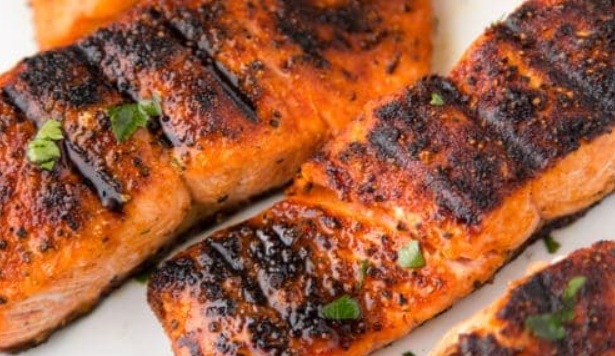
Let’s start with some of my favorite anti-inflammatory foods and meals. At the top of my list is fatty fish, like salmon and mackerel. These fish are loaded with omega-3 fatty acids, which are the superheroes of the anti-inflammatory world.
I love grilling a piece of salmon and serving it with a side of roasted vegetables, like sweet potatoes and Brussels sprouts, drizzled with a bit of olive oil. It’s a simple, satisfying meal that makes me feel like I’m treating myself to something special.
Speaking of vegetables, leafy greens are another must-have on an anti-inflammatory diet. Think spinach, kale, and Swiss chard. These greens are packed with vitamins, minerals, and antioxidants that help fight inflammation.
One of my go-to meals is a big salad filled with spinach, avocado, cherry tomatoes, and a sprinkle of nuts like walnuts or almonds. I’ll top it off with a homemade dressing using olive oil, lemon juice, and a dash of mustard for a little zing. Trust me, it’s anything but boring.

And let’s not forget about fruits—especially berries. Blueberries, strawberries, and raspberries are bursting with antioxidants known as polyphenols, which help reduce inflammation.
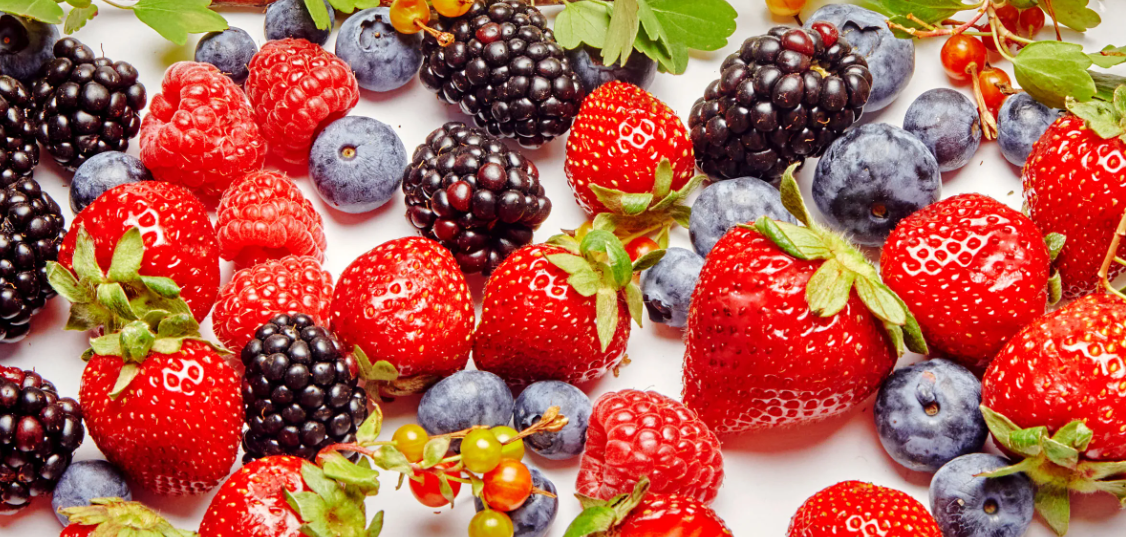
I like to toss them into my morning yogurt or oatmeal, or just snack on them throughout the day. For breakfast, I often whip up a smoothie with a handful of berries, a scoop of plant-based protein powder, a spoonful of chia seeds, and some almond milk. It’s quick, easy, and keeps me full until lunch.
Another favorite of mine is turmeric, which is a true star when it comes to fighting inflammation. I’ve started adding it to everything from soups to smoothies.
But my absolute favorite way to enjoy it is in a warm cup of golden milk. I mix turmeric with almond milk, a bit of honey, and a pinch of black pepper (which helps with absorption) for a cozy, anti-inflammatory drink that feels like a hug in a mug.
Nuts and seeds are also fantastic on this diet. I always keep a stash of almonds, walnuts, and flaxseeds in my pantry. They’re great for snacking, and I often sprinkle them on top of salads or oatmeal for a crunchy, nutritious boost. These little powerhouses are full of healthy fats, fiber, and protein, making them a perfect addition to any meal.
When it comes to grains, I’ve found that whole grains like quinoa, brown rice, and farro are much better choices than their refined counterparts. They’re rich in fiber, which not only helps keep inflammation down but also keeps me feeling full and satisfied.
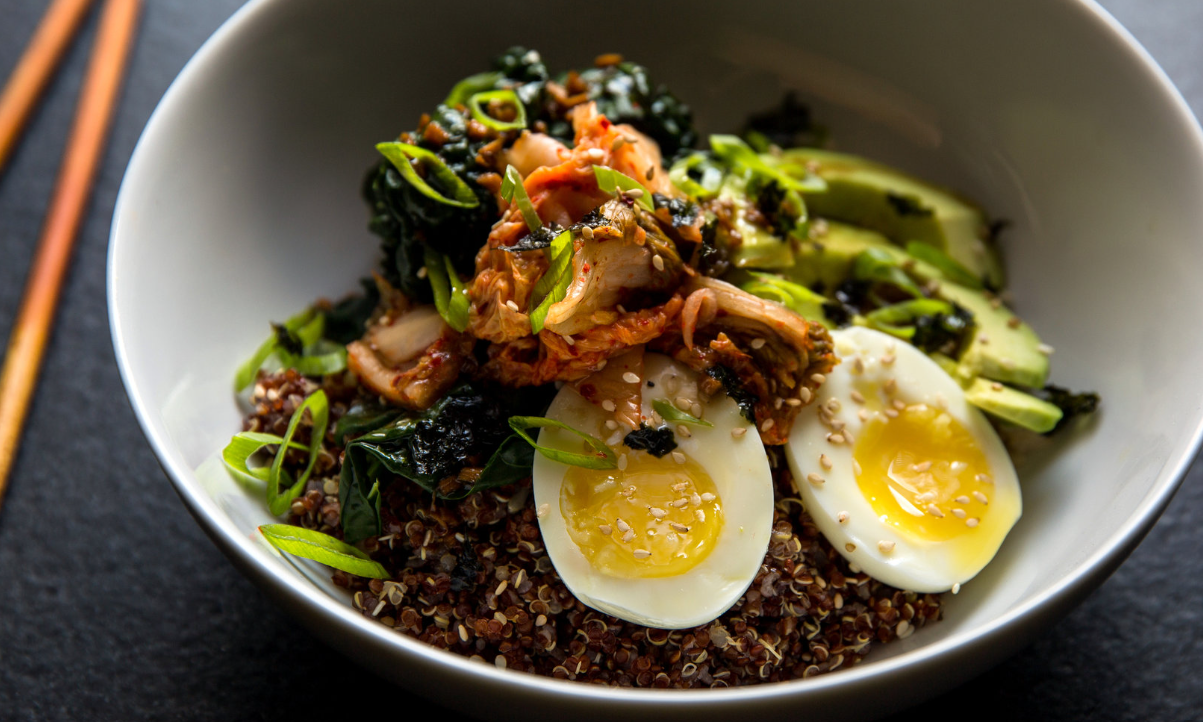
I love making a hearty grain bowl with quinoa, roasted veggies, some leafy greens, and a dollop of hummus. It’s the kind of meal that’s as nourishing as it is delicious.
Now, let’s talk about supplements, because while a balanced diet is key, sometimes our bodies need a little extra help. Omega-3 supplements are a great addition to an anti-inflammatory diet, especially if you’re not eating fish regularly.

These supplements can help reduce inflammation and support heart health. I also like to take a turmeric supplement to ensure I’m getting enough of its powerful anti-inflammatory properties, especially on days when I’m not cooking with it.
Probiotics are another supplement I’ve added to my routine. They help maintain a healthy gut, which is essential for managing inflammation. A healthy gut flora can make a world of difference in how your body handles inflammatory responses. You can get probiotics from fermented foods like yogurt, kefir, or sauerkraut, but taking a daily probiotic supplement ensures you’re covered.
Lastly, consider a good-quality multivitamin to fill in any nutritional gaps. Sometimes, even with the best intentions, our diets don’t provide everything our bodies need.
A multivitamin can help ensure you’re getting enough of the essential nutrients that support overall health and help keep inflammation under control.
So, there you have it—a collection of delicious, nourishing foods and meals you can enjoy on an anti-inflammatory diet, along with a few supplements to keep you feeling your best.
The best part? You don’t have to sacrifice flavor for health. In fact, I’ve found that these foods have made my meals more enjoyable and satisfying than ever before.
Plus, knowing that I’m doing something good for my body makes every bite that much sweeter.

Celina brings a wealth of experience to Hiddennumerology as our new Chief Editor.
With a bachelor’s degree in communication and journalism, she has built an impressive career editing for renowned publications focused on self-care and relationships.
Known for her empathetic approach, Celina’s edits will transform our content, infusing it with depth and emotional resonance. Her thoughtful revisions and additions aim to touch readers’ hearts, making each article not just informative, but deeply relatable.