Feng Shui, an ancient Chinese art of arranging the environment to achieve harmony and balance, has gained immense popularity in modern times.
Page Contents
Beyond its traditional roots, Feng Shui is now embraced worldwide as a powerful tool to enhance the energy flow in both homes and offices.
The application of Feng Shui principles to home design and office spaces, aiming to foster productivity, creativity, and a positive work environment.
What is Feng Shui?
Feng Shui, which translates to “wind and water” in English, is an ancient Chinese metaphysical practice that seeks to harmonize individuals with their surrounding environment.
Rooted in the belief that the spaces we inhabit have a profound impact on our well-being, Feng Shui involves the strategic arrangement and alignment of elements to promote positive energy flow, balance, and harmony.
Why is Feng Shui Used?
- Harmony and Balance: At its core, Feng Shui is about achieving harmony and balance in our surroundings. By aligning our living and working spaces with the natural forces and elements, we aim to create an environment that supports physical, emotional, and spiritual well-being.
- Promoting Health and Prosperity: Feng Shui is believed to influence the flow of energy, or chi, in a space. When chi is balanced and freely flowing, it is thought to bring good health, prosperity, and overall positive experiences to those inhabiting the space.
- Enhancing Relationships: Feng Shui recognizes the connection between our environment and interpersonal relationships. By optimizing the energy in our homes and offices, we may positively impact our relationships, fostering better communication and understanding.
- Creating a Positive Work Environment: In office settings, Feng Shui is employed to enhance productivity, creativity, and overall job satisfaction. A well-designed workspace, according to Feng Shui principles, can contribute to a positive work culture and better professional outcomes.
How is Feng Shui Used?
- Bagua Map Analysis: The Bagua map is a key tool in Feng Shui. It divides a space into nine areas, each representing different aspects of life, such as wealth, relationships, and health. By aligning the Bagua map with the floor plan of a home or office, practitioners can identify areas that may need attention to enhance specific aspects of life.
- Five Elements Integration: Feng Shui incorporates the five elements—wood, fire, earth, metal, and water. These elements are strategically placed in a space to create balance. For instance, wood can represent growth and vitality, while metal may symbolize precision and clarity. Balancing these elements is believed to promote overall harmony.
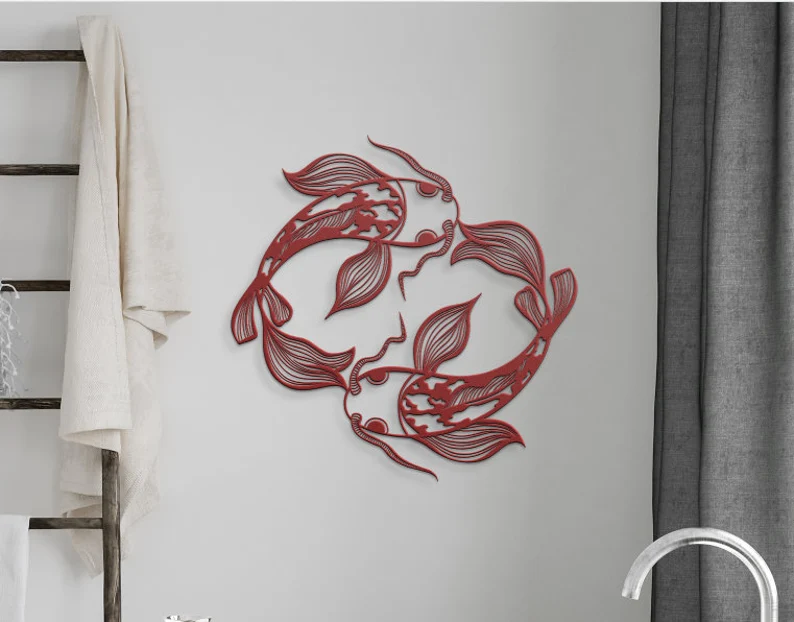
- Yin and Yang Philosophy: The concept of Yin and Yang, representing the balance of opposites, is fundamental to Feng Shui. In a living or working space, balancing light and dark, soft and hard, or vibrant and subdued elements is considered essential for maintaining a harmonious environment.
- Placement of Furniture and Objects: The arrangement of furniture and objects is crucial in Feng Shui. Practitioners pay attention to the placement of items to ensure the smooth flow of energy. The positioning of key elements, such as beds, desks, and mirrors, is carefully considered to optimize energy circulation.
- Symbolism and Cures: Feng Shui practitioners often use symbols and remedies to address imbalances or enhance specific aspects of life. This may include incorporating symbols of luck, using mirrors to redirect energy, or placing crystals for positive vibrations.
In essence, Feng Shui is a holistic approach to design and living that emphasizes the interconnection between people and their environment.
By applying its principles, individuals seek to create spaces that not only look aesthetically pleasing but also support their physical, emotional, and spiritual well-being.
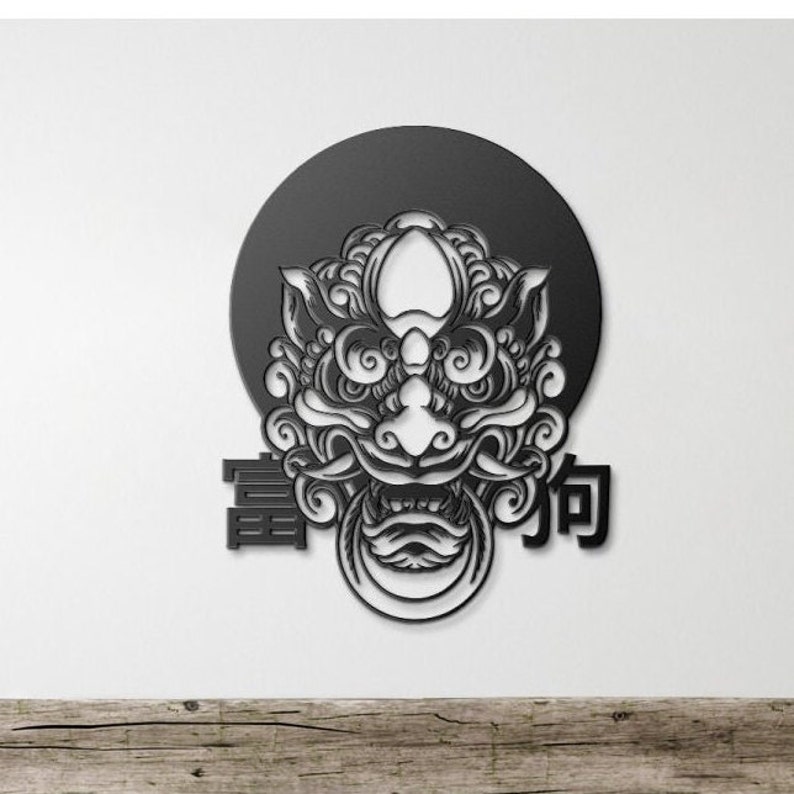
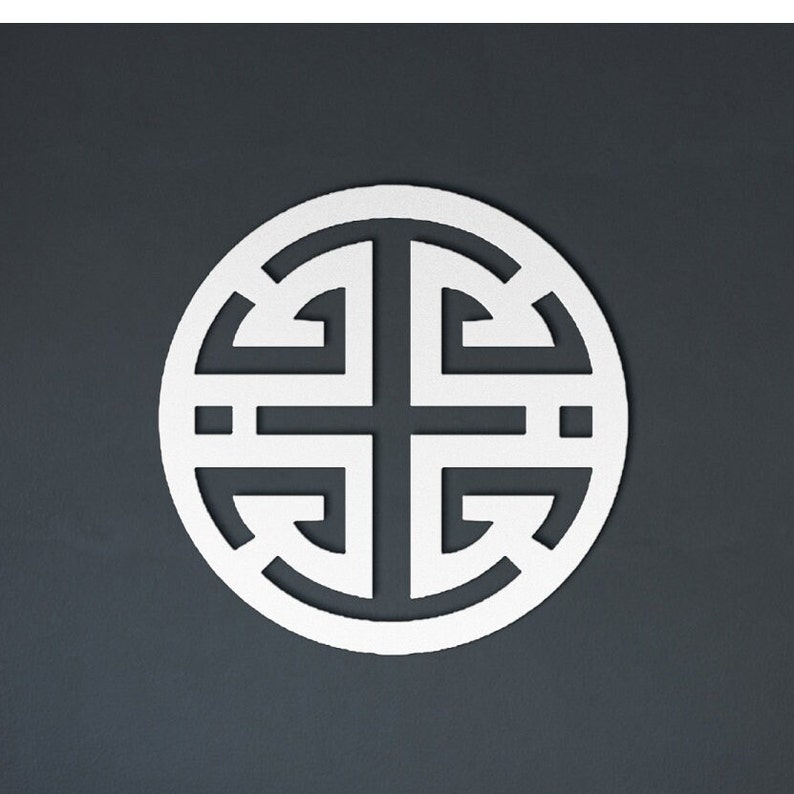 Shou Longevity Feng Shui Chinese Symbol Metal Wall Art Longevity Sign Metal, Chinese Prosperity Metal Sign Housewarming Gift
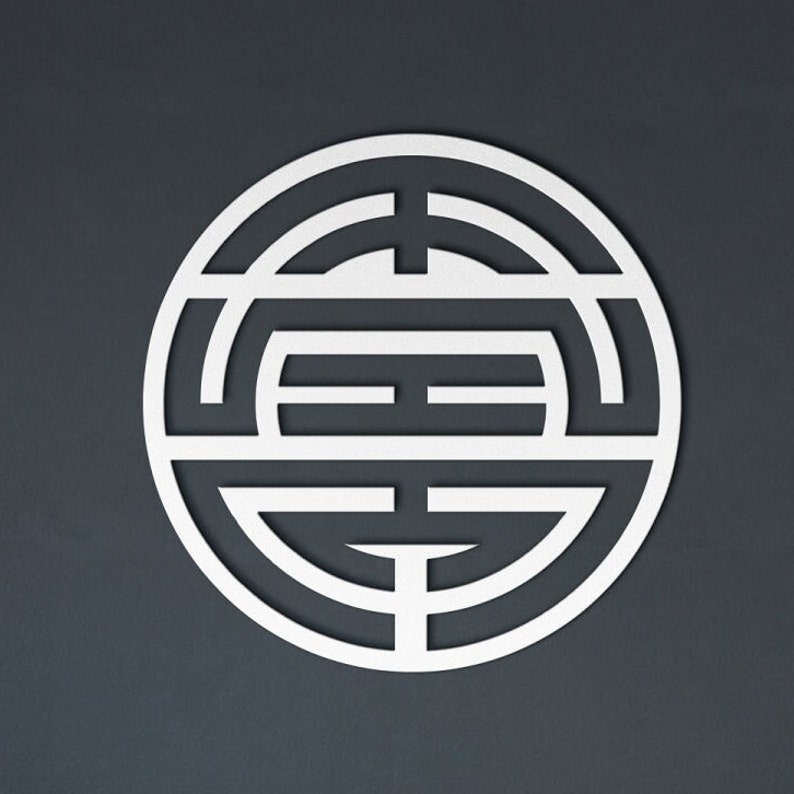
Feng Shui for Home Design:
-
The Bagua Map: Blueprint for Harmony
- The Bagua map is the foundation of Feng Shui for homes. Divided into nine sections representing different aspects of life, it serves as a guide for placing essential elements in specific areas. By aligning key features of your home with corresponding areas on the Bagua map, you can enhance the energy related to wealth, health, relationships, and more.
-
Color Harmony: Painting with Intent
- Colors play a vital role in Feng Shui, affecting the energy flow within a space. Each color corresponds to one of the five elements, and the strategic use of colors can bring balance and harmony. For example, soft blues and greens in the bedroom promote tranquility, while vibrant reds and yellows in the kitchen enhance energy and warmth.
-
Declutter and Organize: Inviting Positive Energy
- Clutter impedes the flow of positive energy or chi. Adopting a minimalist approach and keeping spaces organized not only fosters a serene atmosphere but also allows chi to circulate freely. Decluttering is an essential practice in Feng Shui, promoting clarity of thought and a sense of calm.

Feng Shui for Office Spaces:
-
Command Position: Empowering Your Workspace
- The command position in Feng Shui refers to the optimal placement of a desk or workstation to provide a clear view of the entrance. This position instills a sense of control and empowerment, fostering focus and productivity.
-
Elemental Balance: Creating a Harmonious Workplace
- Integrate the five elements strategically in your office space to encourage a balanced and vibrant environment. Incorporate wooden furniture, metallic accents, and earthy tones to create a harmonious blend. This elemental balance promotes creativity, innovation, and a positive work atmosphere.
-
Plants and Natural Light: Nurturing Growth
- Bringing nature indoors through plants and maximizing natural light enhances the flow of positive energy. Plants are known to purify the air and contribute to a refreshing ambiance, while ample natural light boosts mood and energy levels.
-
Symbolic Enhancements: Aligning Intentions
- Incorporating Feng Shui symbols, such as the dragon for strength or the phoenix for renewal, can add a layer of positive energy to your office space. Select symbols that align with your professional goals and aspirations, reinforcing a positive mindset.
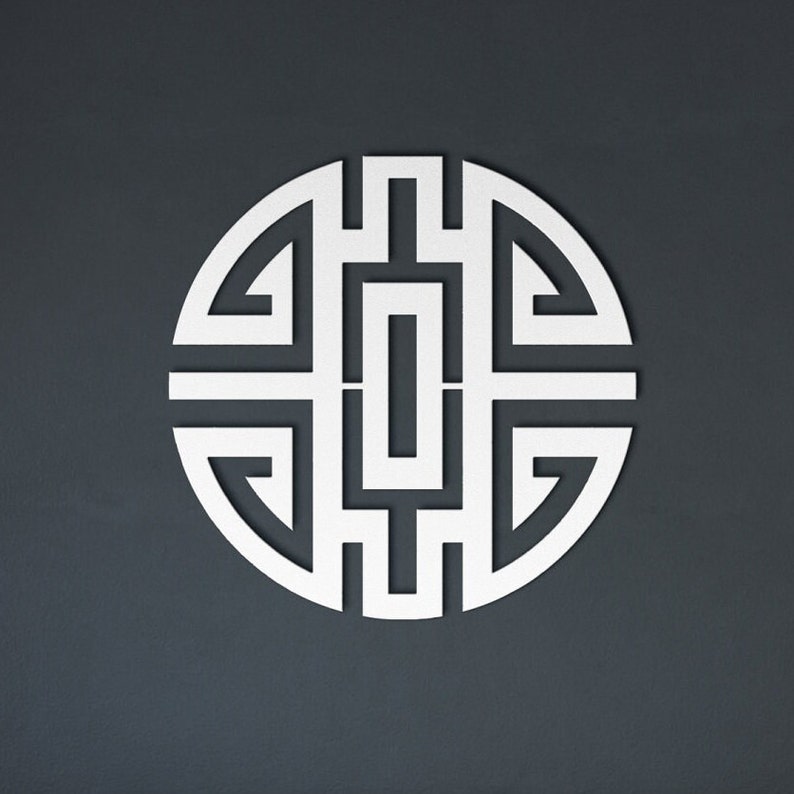
Feng Shui principles
Embracing Feng Shui principles in both home design and office spaces can significantly impact the quality of your living and working environments.
By fostering balance, harmony, and positive energy flow, you create spaces that support your well-being, enhance productivity, and inspire creativity.
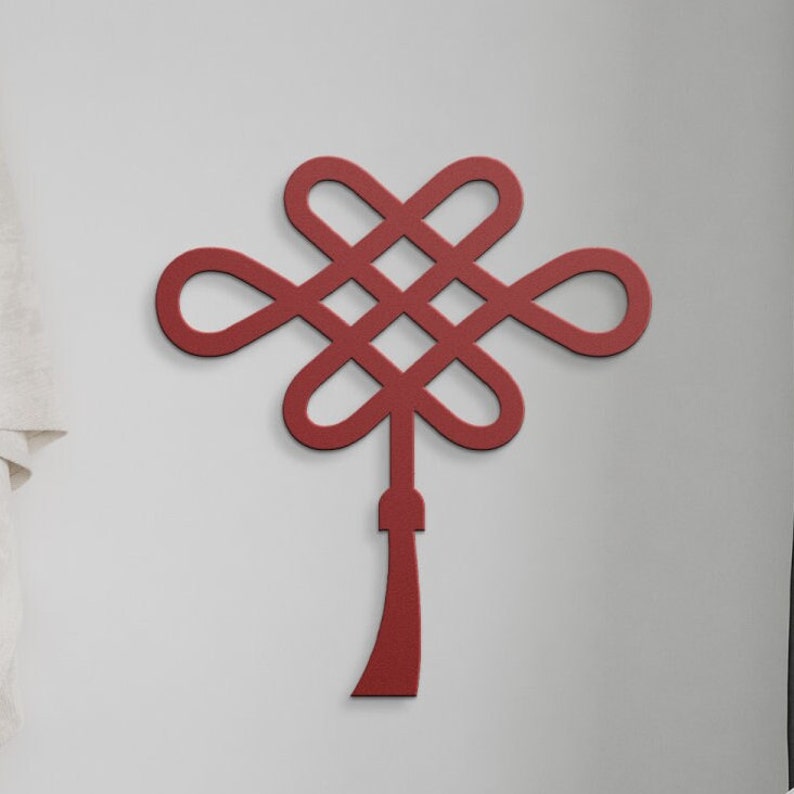
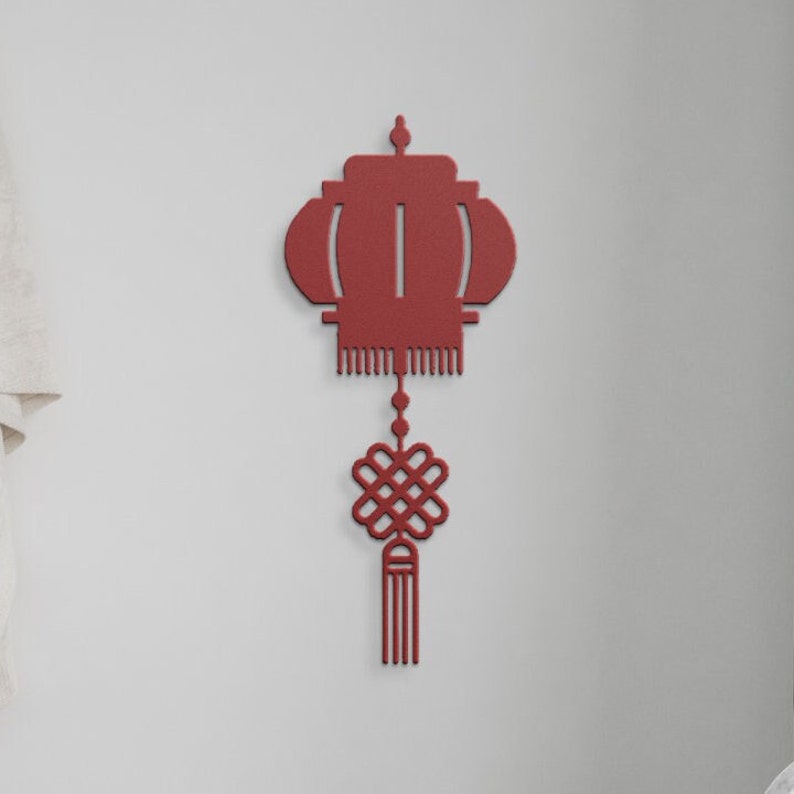
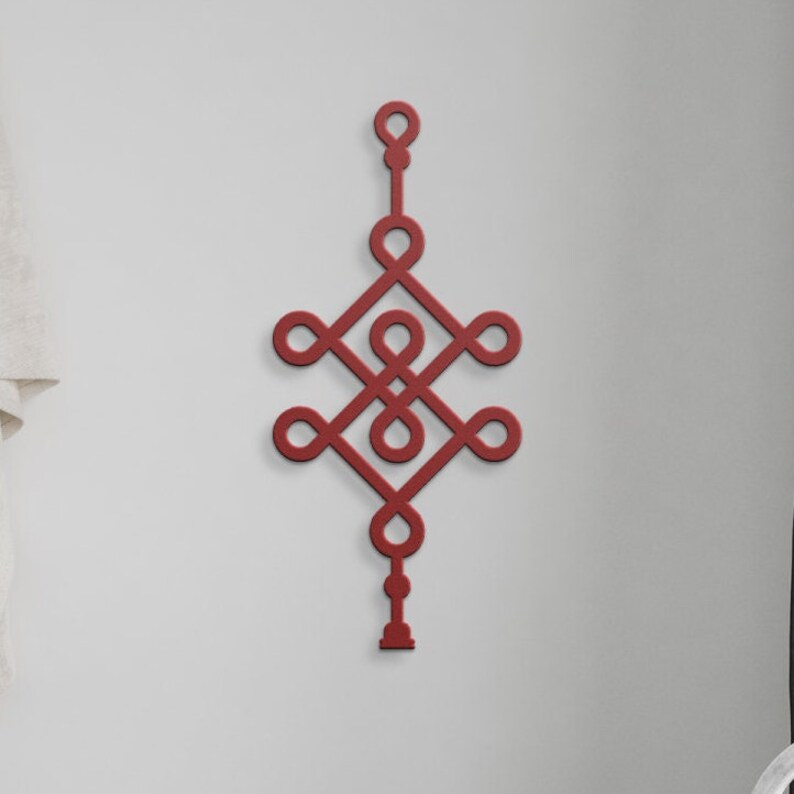 Feng Shui Chinese Symbol Chinese Knot Metal Wall Art Chinese Tassel Ribbon Metal Sign Housewarming Gift New Year Gift Housewarming Gift
 Whether arranging furniture, choosing colors, or incorporating meaningful symbols, the art of Feng Shui empowers individuals to cultivate spaces that align with their intentions and contribute to a more fulfilling life.

Celina brings a wealth of experience to Hiddennumerology as our new Chief Editor.
With a bachelor’s degree in communication and journalism, she has built an impressive career editing for renowned publications focused on self-care and relationships.
Known for her empathetic approach, Celina’s edits will transform our content, infusing it with depth and emotional resonance. Her thoughtful revisions and additions aim to touch readers’ hearts, making each article not just informative, but deeply relatable.
Share