Feeling bloated, sluggish, or like your body just isn’t vibing with you lately? Chronic inflammation could be the culprit. While inflammation is a natural part of your immune response (think of it as your body’s built-in fire extinguisher), too much of it can wreak havoc—contributing to everything from fatigue and brain fog to more serious conditions like heart disease and arthritis.
The good news? Your plate holds the power to turn things around. An anti-inflammatory diet can help you feel energized, reduce discomfort, and give your skin that lit-from-within glow. Ready to revamp your pantry? Let’s dig into the best (and worst) foods for keeping inflammation at bay.
The Anti-Inflammatory Diet: What You Need to Know
At its core, an anti-inflammatory diet is all about balance—focusing on nutrient-packed whole foods while cutting back on processed and inflammatory triggers. Think of it as a Mediterranean-inspired eating plan that prioritizes:
- Fresh fruits and veggies: Vibrant, colorful produce is packed with antioxidants that help fight off inflammation.
- Healthy fats: Omega-3s in foods like salmon, walnuts, and chia seeds are anti-inflammatory rockstars.
- Whole grains: Ditch the white stuff and go for brown rice, quinoa, and oats to keep your blood sugar steady.
- Herbs and spices: Turmeric, ginger, cinnamon, and garlic are nature’s anti-inflammatory superheroes.
Pro tip: Hydration is key, too. Water, green tea, and herbal infusions keep things flowing and flush out toxins.
Anti-Inflammatory Foods to Love
Add these powerhouse foods to your weekly menu and watch your body thank you:
-
- Leafy Greens
Kale, spinach, and Swiss chard are packed with vitamins, antioxidants, and fiber to calm inflammation. - Berries
Blueberries, strawberries, and raspberries are loaded with anthocyanins—compounds that help fight inflammation and keep your immune system humming. - Fatty Fish
Salmon, mackerel, and sardines are bursting with omega-3 fatty acids, which actively reduce inflammation. - Avocado
This creamy fruit isn’t just delicious—it’s also rich in healthy fats and antioxidants like lutein and zeaxanthin. - Nuts and Seeds
Walnuts, almonds, chia seeds, and flaxseeds provide a satisfying crunch while delivering anti-inflammatory benefits. - Olive Oil
Extra virgin olive oil is a Mediterranean diet staple for good reason—it’s a heart-healthy, inflammation-fighting fat. - Whole Grains
Brown rice, quinoa, and steel-cut oats are fiber-rich options that help regulate your gut and support your overall health.
- Leafy Greens
Get this complete Anti inflammatory Diet, Anti Inflammatory Food List
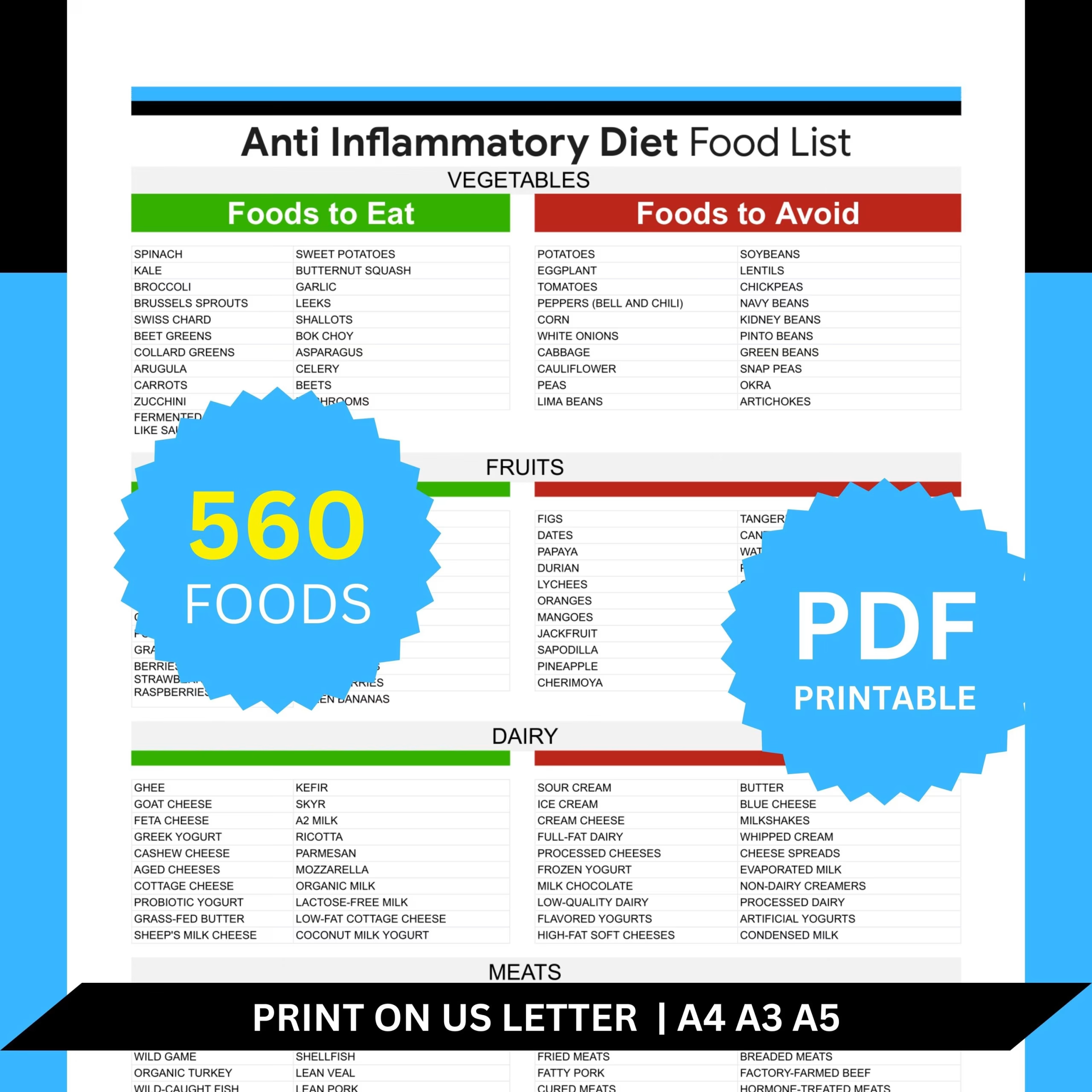
Anti-Inflammatory Foods to Avoid
Not all foods are created equal, and some can fan the flames of inflammation. If you’re aiming for a more balanced, glowing self, consider cutting back on:
- Refined Carbs
White bread, pastries, and sugary cereals spike your blood sugar and can lead to inflammatory responses. - Fried Foods
That basket of fries? Tempting, but the trans fats and advanced glycation end products (AGEs) produced during frying can trigger inflammation. - Sugary Beverages
Sodas, energy drinks, and even some store-bought smoothies are sugar bombs that throw your body into overdrive. - Processed Meats
Bacon, sausages, and deli meats are often high in saturated fats and additives linked to inflammation. - Alcohol (in excess)
A glass of red wine here and there is fine, but too much alcohol can irritate your gut lining and cause inflammation. - Dairy (for some people)
While not inflammatory for everyone, dairy can be a trigger for those with sensitivities or lactose intolerance.
How to Embrace an Anti-Inflammatory Lifestyle
Switching to an anti-inflammatory diet doesn’t mean saying goodbye to flavor—it’s about swapping out inflammation-inducing foods for nourishing, delicious options. Here’s how to get started:
- Plan Your Plate
Fill half of your plate with vegetables, a quarter with lean protein, and the other quarter with whole grains or starchy veggies. - Snack Smarter
Reach for nuts, fresh fruit, or hummus with veggie sticks instead of chips or sugary snacks. - Spice It Up
Experiment with anti-inflammatory seasonings like turmeric, ginger, and cayenne to add depth to your dishes. - Cook at Home
Homemade meals let you control ingredients, avoid sneaky additives, and embrace whole foods. - Stay Consistent
While one healthy meal is a win, long-term consistency is where the magic happens.
Crystals, Energy, and Anti-Inflammation Vibes
Let’s take this one step further, shall we? While your diet does the heavy lifting, some swear by incorporating crystals to balance energy and promote well-being:
- Amethyst: Known for its calming properties, it can help ease stress-related inflammation.
- Citrine: Encourages positivity and may help you stay motivated on your wellness journey.
- Carnelian: Often used to boost energy and circulation.

Keep these gems nearby or wear them as jewelry to support your anti-inflammatory lifestyle with a little extra cosmic energy.
Final Thoughts: Feed Your Body, Fuel Your Glow
An anti-inflammatory diet is less about restriction and more about embracing foods that make you feel good—inside and out. Whether you’re whipping up a berry-packed smoothie or savoring a salmon dinner drizzled with olive oil, every bite is a step toward a healthier, happier you.
And remember, it’s not just about the food on your plate—it’s about the energy you bring to the table. So sip your green tea, set an intention, and enjoy the delicious journey to a more vibrant you. ✨

Emisecare Crafted for Your Wellbeing. Your Health, Our Priority