If your stomach feels like it has a mind of its own—bloating, cramping, or gurgling at the worst possible times—you’re not alone.
Millions of women struggle with digestive woes, but many are now finding relief through a little-known strategy called the low-FODMAP diet.
Think of it as your gut’s detox and reset button. While the term may sound straight out of a science lab, its impact on your daily life can be nothing short of transformative.
The low-FODMAP diet targets specific carbohydrates that are hard to digest, offering relief from digestive issues like bloating, gas, and abdominal pain.
Commonly used for conditions like IBS, this elimination diet helps identify food triggers through careful tracking.
Research shows it’s effective, with 75% of IBS patients experiencing significant symptom relief, often within a week.
By replacing high-FODMAP foods with low-FODMAP alternatives, many find it a practical and swift solution for managing gut-related discomfort.
What Is the Low-FODMAP Diet?
The low-FODMAP diet focuses on cutting out specific types of carbohydrates that some bodies simply can’t break down.
These are fermentable oligosaccharides, disaccharides, monosaccharides, and polyols (FODMAPs)—fancy names for certain sugars found in a variety of foods, from garlic to apples to beans.
For people with conditions like irritable bowel syndrome (IBS) or small intestinal bacterial overgrowth (SIBO), these carbs spell trouble.
When they aren’t absorbed in the small intestine, they pass into the large intestine, where gut bacteria ferment them.
The result? Gas, bloating, pain, and sometimes diarrhea or constipation.
The low-FODMAP diet aims to identify and eliminate your unique triggers, giving you more freedom—and fewer bathroom emergencies.
The Three Phases of Relief
Here’s the deal: the low-FODMAP diet isn’t a lifelong restriction plan but rather a three-phase journey to better digestion.
- Elimination Phase
Say goodbye to high-FODMAP foods for 2-6 weeks. This phase gives your gut a break and allows symptoms to subside. Think of it as a cleanse for your digestive system. - Reintroduction Phase
Slowly, systematically, you’ll reintroduce one high-FODMAP food at a time. This helps pinpoint exactly which foods are problematic and in what quantities. - Personalization Phase
Based on what you’ve learned, you’ll craft a sustainable, gut-friendly diet. This phase lets you enjoy a wide variety of foods—minus the ones that don’t play nice with your system.
Foods to Love and Foods to Skip
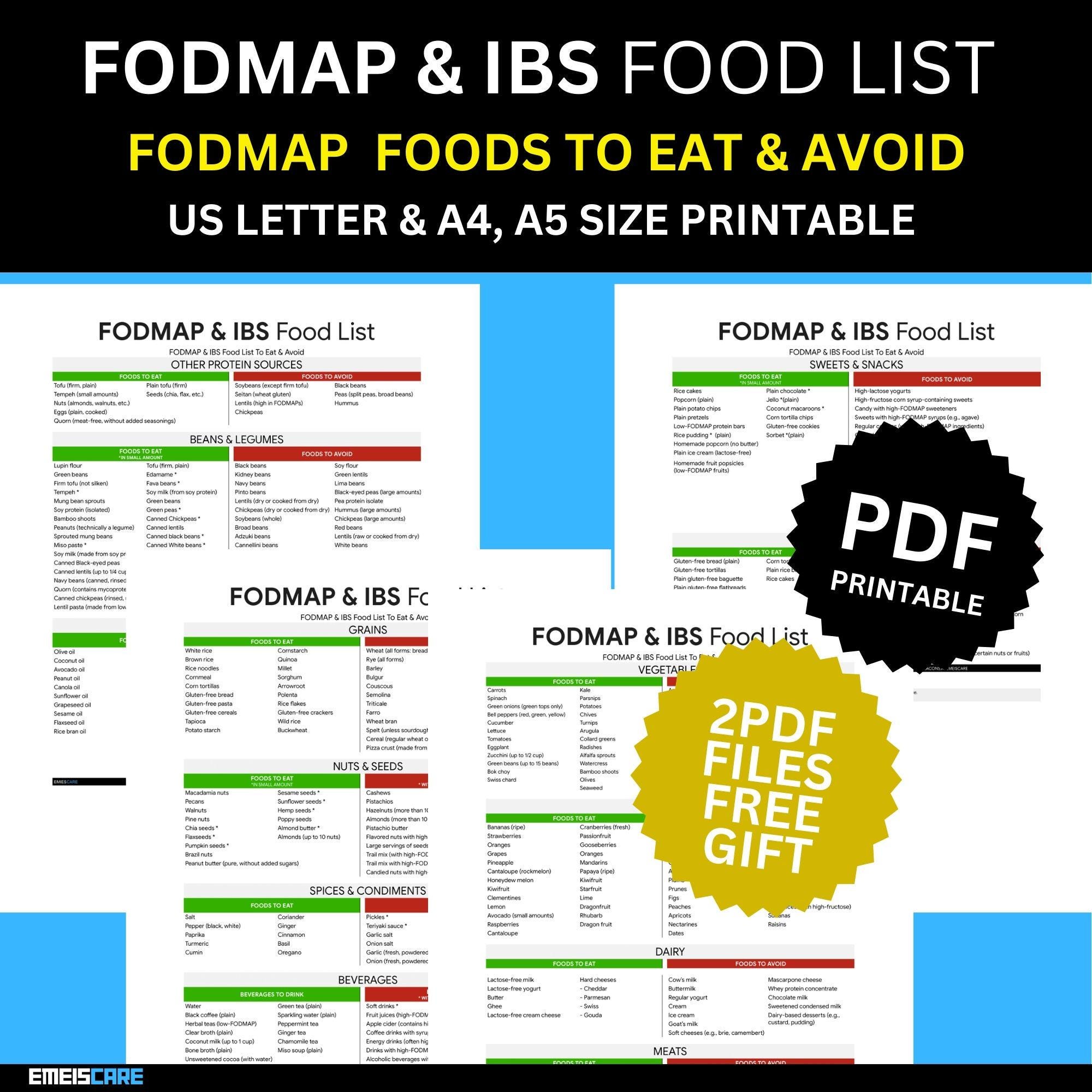
Wondering what’s on the menu? Here’s a quick cheat sheet:
- Low-FODMAP Heroes:
- Proteins: Eggs, chicken, fish, and tofu.
- Veggies: Carrots, zucchini, cucumbers, and bell peppers.
- Fruits: Oranges, strawberries, and grapes.
- Grains: Rice, quinoa, and gluten-free bread.
- High-FODMAP Villains:
- Fruits: Apples, watermelon, and pears.
- Veggies: Onions, garlic, and cauliflower.
- Dairy: Milk, yogurt, and soft cheeses.
- Sweeteners: Honey, high-fructose corn syrup, and sugar alcohols.
Low FODMAP Diet Food Chart
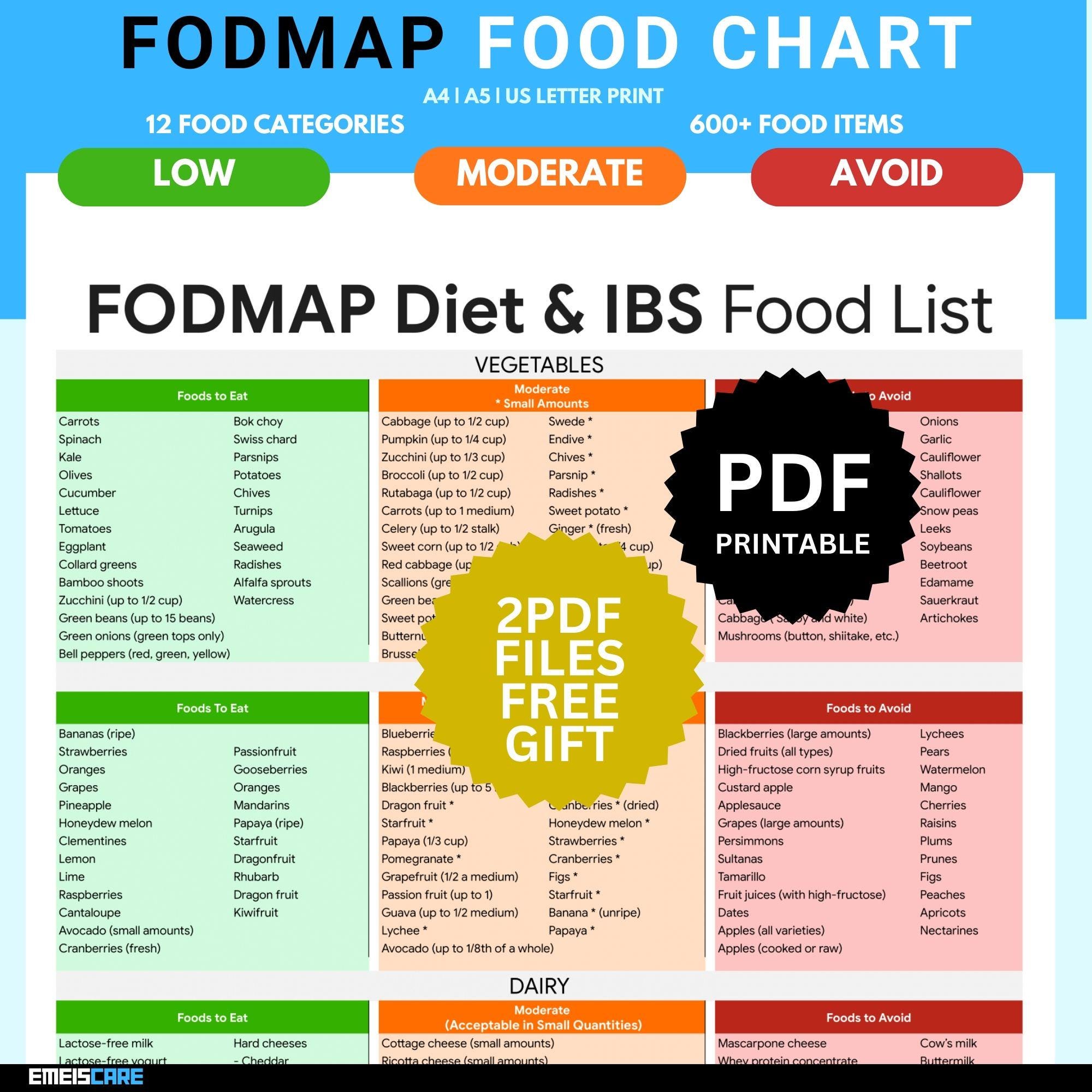
Fruits (Low FODMAP in Specific Quantities)
- Berries: Blueberries, strawberries, raspberries
- Citrus: Oranges, lemons, limes, mandarins
- Melons: Cantaloupe, honeydew
- Others: Grapes, kiwifruit, bananas (unripe), pineapple
Vegetables (Low FODMAP Options)
- Leafy Greens: Spinach, lettuce, kale
- Root Veggies: Carrots, parsnips, turnips, potatoes, sweet potatoes (small portions)
- Gourds: Zucchini, cucumber, eggplant
- Others: Bell peppers, green beans, tomatoes, bok choy
Proteins (Naturally Low FODMAP)
- Animal Proteins: Chicken, turkey, beef, pork, fish, eggs
- Plant-Based: Firm tofu, tempeh (in moderation)
Dairy (Lactose-Free Options)
- Lactose-free milk (cow’s, almond, rice, or coconut milk)
- Hard cheeses: Cheddar, Parmesan, Swiss
- Lactose-free yogurt
Grains & Starches
- Gluten-free bread and pasta
- Rice (white, brown, basmati)
- Quinoa, polenta, cornmeal
- Oats (gluten-free)
Nuts & Seeds (Limited Portions)
- Almonds, walnuts, peanuts (10–15 per serving)
- Macadamia nuts, pine nuts, sunflower seeds
Snacks
- Plain popcorn
- Rice cakes
- Gluten-free pretzels or crackers
Fats & Oils
- Olive oil, avocado oil
- Butter (in small amounts, if tolerated)
- Coconut oil
Beverages
- Black coffee
- Tea (green, peppermint, or herbal)
- Water, sparkling water
Condiments & Spices
- Soy sauce (gluten-free)
- Vinegars (balsamic, white, apple cider, rice vinegar)
- Fresh herbs (basil, parsley, cilantro, chives)
Sweets & Treats
- Dark chocolate (in moderation)
- Maple syrup
- Sugar (white, brown, cane)
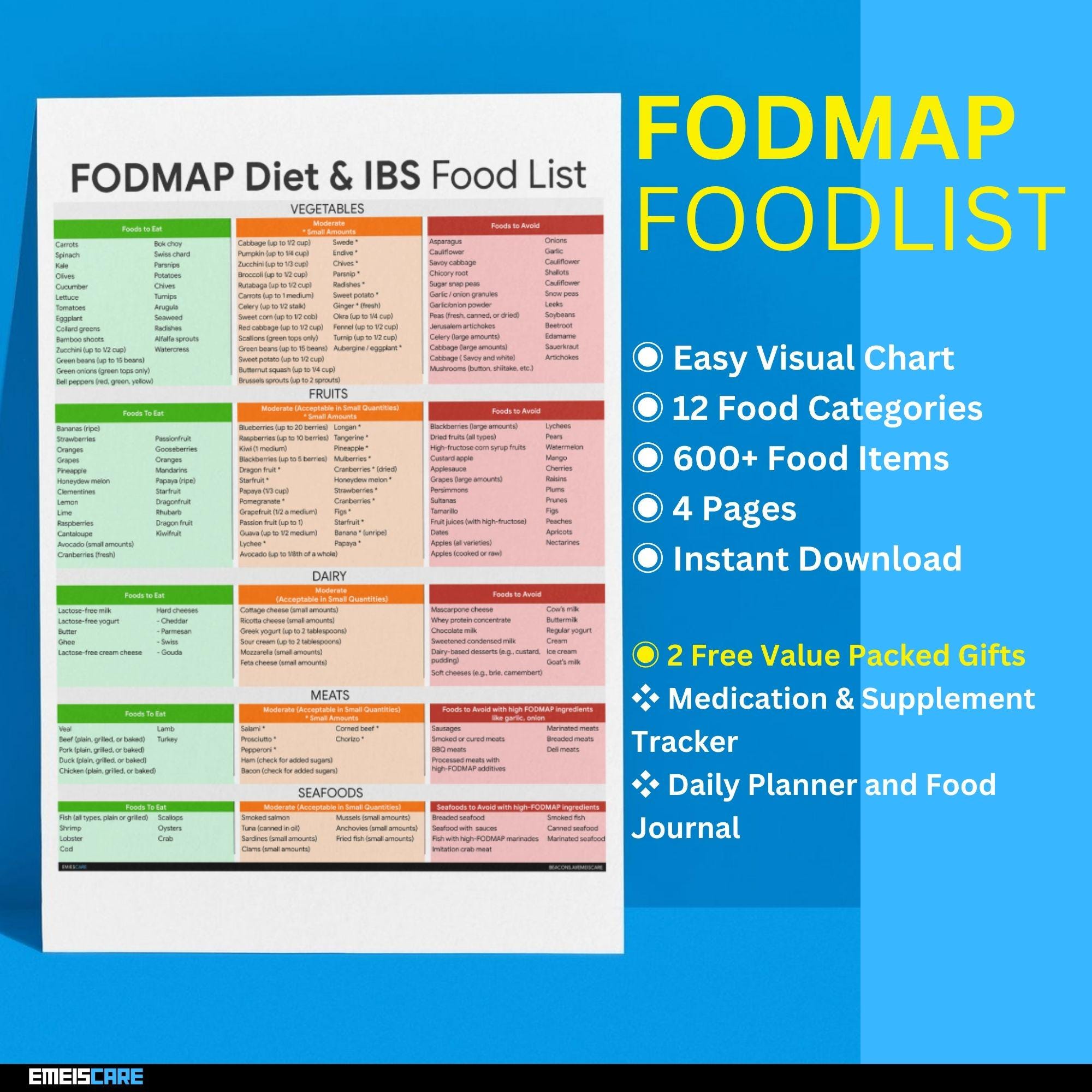
This list offers a variety of options across food groups to make following a low-FODMAP diet easier while maintaining a balanced, nutritious intake.
Why It Works
According to research, 75% of people with IBS experience significant relief on a low-FODMAP diet—often within just a week. The diet doesn’t just silence symptoms; it also helps repair your gut lining and restore balance to your gut microbiome. It’s not about cutting carbs forever but learning what works for you, one bite at a time.
Tips for Success
- Plan Ahead
This isn’t a diet you can wing. Clean out your pantry, stock up on low-FODMAP staples, and prep some go-to meals before diving in. - Work with a Pro
Partner with a dietitian who can guide you through the process, from food swaps to portion sizes. - Mind the Stacking
Even low-FODMAP foods can gang up and cause symptoms if eaten together in large quantities. Keep an eye on your portions to avoid “FODMAP stacking.”
Is It Right for You?
If you’re tired of playing detective with your meals, the low-FODMAP diet might just be your gut’s saving grace. While it’s especially beneficial for those with IBS or SIBO, it can also be a helpful experiment for anyone with unexplained digestive discomfort.
Remember, this diet isn’t a quick fix or a fad—it’s a science-backed method to reclaim your comfort and confidence. After all, your gut health is about so much more than digestion; it’s about living your best, bloat-free life.
Ready to Try It?
A happier gut starts with informed choices. Whether you’re sipping on a smoothie or enjoying a salad, knowing what works for your body is empowering. And who doesn’t deserve to feel fabulous from the inside out?

Emisecare Crafted for Your Wellbeing. Your Health, Our Priority