The ketogenic diet has taken the health and wellness world by storm, promising rapid weight loss and improved metabolic health. But what exactly can you eat on this high-fat, low-carb regimen?
Page Contents
We’ve consulted experts and pored over research to bring you the ultimate keto food list.
Dr. Sarah Johnson, a nutritionist specializing in ketogenic diets, emphasizes the importance of understanding the diet’s core principles.
The key to keto is minimizing carbs while maximizing healthy fats,” she explains. “Ideally, you want to keep your carb intake to around 5g or less per meal, ensuring you don’t exceed the recommended 25g per day.”
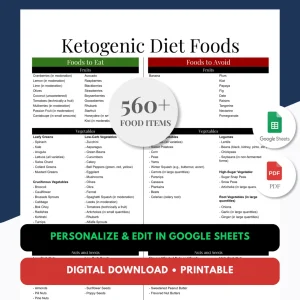
The Keto Food Pyramid
At the base of the keto food pyramid, you’ll find fats and oils. “Avocado oil, coconut oil, extra virgin olive oil, and grass-fed butter should be your go-to sources,” advises Chef Michael Torres, known for his keto-friendly recipes. “These fats not only keep you satiated but also provide essential nutrients.”
Moving up the pyramid, we encounter proteins. “Eggs, fatty fish like salmon and mackerel, grass-fed beef, and chicken thighs are excellent choices,” says Torres. “They provide the necessary protein without adding excessive carbs.
“Vegetables, particularly the low-carb variety, play a crucial role in the keto diet. Registered dietitian Lisa Martinez recommends “leafy greens, broccoli, cauliflower, zucchini, and bell peppers. These vegetables are not only low in carbs but also rich in fiber and essential micronutrients.”
Dairy, Nuts, and Seeds
Contrary to popular belief, dairy can be a part of a ketogenic diet. “Full-fat cheese, heavy cream, and Greek yogurt in moderation can fit into a keto plan,” Martinez notes. ”
Just be mindful of portion sizes, as dairy can add up in terms of both carbs and calories.”Nuts and seeds provide a satisfying crunch and healthy fats. “Almonds, macadamia nuts, pumpkin seeds, and chia seeds are great options,” says Dr. Johnson. “They’re perfect for snacking or adding to salads for extra texture and nutrition.”
Beverages and Beyond
When it comes to hydration, water reigns supreme on the keto diet. However, Chef Torres suggests some flavorful alternatives: “Unsweetened coffee and tea are perfectly fine. For those missing their evening cocktail, dry wine and certain spirits can be enjoyed in moderation.”
The Importance of Planning
Meal planning is crucial for keto success. “Having a solid meal plan prevents impulse eating and helps you stay on track,” Dr. Johnson emphasizes. She recommends using a food journal to track intake and identify any hidden carbs that might be sneaking into your diet.
Martinez agrees, adding, “A printable food list can be a game-changer. Keep it on your fridge or in your wallet for quick reference while grocery shopping or meal planning. It reduces decision fatigue and helps maintain consistency.”
A Word of Caution
While the keto diet has shown promising results for many, it’s not without its critics. Dr. Emily Carter, a cardiologist, warns, “The long-term effects of a high-fat diet are still under study. It’s crucial to consult with a healthcare professional before making drastic changes to your diet, especially if you have pre-existing health conditions.”
As the keto trend continues to grow, so does the market for keto-friendly products. However, Chef Torres cautions against blindly trusting labels. “Always read the ingredients,” he advises. “Even the most keto-looking cauliflower pizza crust can hide regular wheat flour, making it a carb bomb waiting to happen.”
The Keto Foods List
What To Eat in A Keto Diet, the ketogenic diet has gained significant popularity in recent years for its potential weight loss and health benefits. This high-fat, low-carb eating plan aims to put your body into a state of ketosis, where it burns fat for fuel instead of carbohydrates. To help you navigate this diet successfully, we’ve compiled a comprehensive keto food list and highlighted the importance of using a food journal and printable food list.
The Keto Diet Essentials
The ketogenic diet typically consists of:
– 70-80% fat
– 20-25% protein
– 5-10% carbohydrates
To achieve these macronutrient ratios, it’s crucial to focus on the right foods. Here’s a breakdown of what to eat on a keto diet:
Fats and Oils
– Avocado oil
– Coconut oil
– Extra virgin olive oil
– Grass-fed butter
– MCT oil
Proteins
– Eggs
– Fatty fish (salmon, mackerel, sardines)
– Grass-fed beef
– Chicken thighs
– Pork belly
Low-Carb Vegetables
– Leafy greens (spinach, kale, arugula)
– Broccoli
– Cauliflower
– Zucchini
– Bell peppers
Dairy
– Full-fat cheese
– Heavy cream
– Greek yogurt (in moderation)
Nuts and Seeds
– Almonds
– Macadamia nuts
– Pumpkin seeds
– Chia seeds
Beverages
– Water
– Unsweetened coffee and tea
– Bone broth
Keto Diet Foods to Avoid
- Bread
- Pasta
- Rice
- Potatoes
- Corn
- Bananas
- Apples
- Honey
- Sugar
- Fruit juices
- Soda
- Beer
- Milk chocolate
- Breakfast cereals
- Chips
- Crackers
- Low-fat yogurt
Keto Diet Foods to Eat
- Avocados
- Salmon
- Eggs
- Olive oil
- Grass-fed beef
- Chicken thighs
- Spinach
- Cauliflower
- Broccoli
- Almonds
- Macadamia nuts
- Cheddar cheese
- Heavy cream
- Butter
- Coconut oil
- Bacon (without added sugar)
The Power of Food Journaling
Keeping a food journal is an invaluable tool when following a ketogenic diet. It allows you to track your macronutrient intake, ensuring you’re staying within the recommended ratios. Moreover, a food journal can help you identify patterns in your eating habits and pinpoint any foods that may be kicking you out of ketosis.
Research has shown that people who keep food journals are more likely to achieve their weight loss goals. In fact, one study found that participants who kept a food diary six days a week lost twice as much weight as those who kept food records one day a week or less.
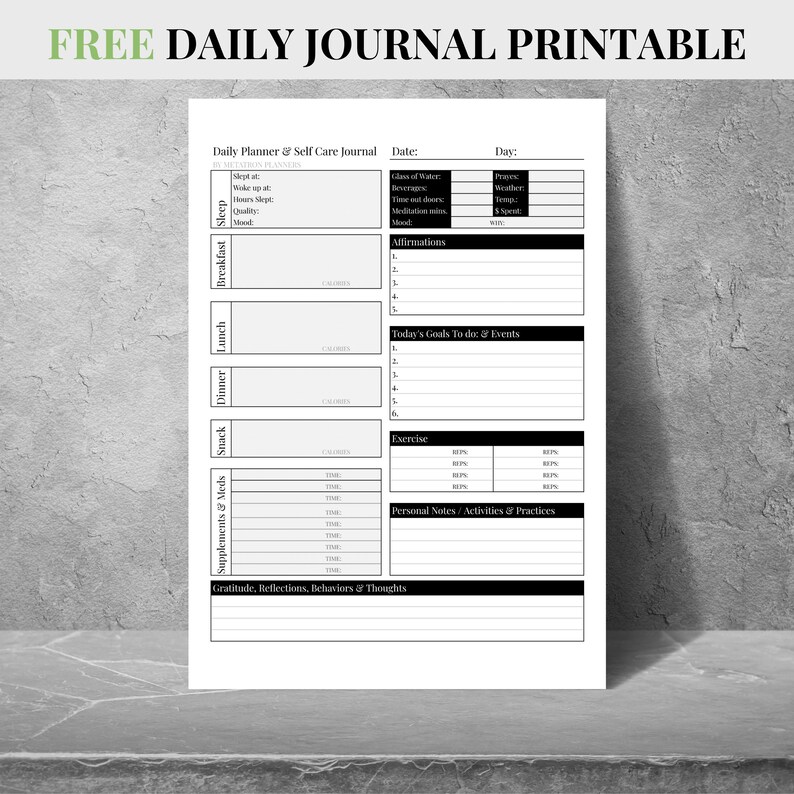
The Benefits of a Printable Food List
A printable keto food list can be a game-changer for your diet success. Here’s why:
1. Quick reference: Keep it on your fridge or in your wallet for easy access while grocery shopping or meal planning.
2. Reduces decision fatigue: Having a pre-approved list of foods eliminates the need to constantly research what’s keto-friendly.
3. Helps with meal prep: Use the list to plan your meals for the week, ensuring you have a variety of keto-compliant foods on hand.
4. Encourages consistency: A visual reminder of your food options can help you stay on track with your keto goals.
Putting It All Together
To maximize your success on the ketogenic diet, combine the power of a comprehensive food list with diligent food journaling. Start by printing out a keto-friendly food list and keeping it visible in your kitchen. Then, commit to logging everything you eat and drink in a food journal.
Remember, the key to sustainable weight loss and health improvements is consistency.
By leveraging these tools, you’ll be well-equipped to navigate the keto diet with confidence and achieve your health goals.
As you embark on your keto journey, always consult with a healthcare professional to ensure this diet is right for you.
With the right guidance and tools, the ketogenic diet can be a transformative approach to nutrition and overall well-being. The ketogenic diet offers a unique approach to nutrition that many find effective for weight loss and improved energy levels. By focusing on healthy fats, moderate protein, and low-carb vegetables, keto dieters can enjoy a varied and satisfying menu.
However, as with any significant dietary change, it’s essential to approach keto with knowledge, planning, and professional guidance to ensure it’s the right fit for your individual health needs.
Supplements for a ketogenic diet
MCT Oil
Why: MCT oil provides a quick source of medium-chain triglycerides that are rapidly converted into ketones by the liver, helping to maintain ketosis and boost energy levels.
What to Look For: Choose a high-quality MCT oil that contains a higher percentage of caprylic acid (C8) and capric acid (C10). Avoid products with added sugars or fillers.
Notes: Start with a small amount to assess tolerance, as it can cause digestive discomfort in some people.
Recommended MCT Oil with caprylic acid (C8) and capric acid (C10)
Exogenous Ketones
Why: These supplements help increase blood ketone levels, which can support the transition into ketosis and enhance energy and mental clarity.
What to Look For: Look for products with beta-hydroxybutyrate (BHB) salts. Ensure there are no added sugars or high-carb fillers.
Notes: Use as an adjunct to the diet, not as a substitute for a well-formulated ketogenic plan.
Recommended& Exogenous Ketones With Beta-Hydroxybutyrate
Electrolytes
Why: On a keto diet, the body excretes more electrolytes, which can lead to deficiencies and symptoms like muscle cramps and fatigue.
What to Look For: Choose supplements that offer a balanced ratio of sodium, potassium, and magnesium. Opt for potassium and magnesium supplements that are in a bioavailable form (e.g., potassium citrate, magnesium glycinate).
Notes: Stay hydrated and monitor your electrolyte levels regularly.
Recommended Electrolyte PowderOmega 3
Omega-3 Fatty Acids (Fish Oil)
Why: Omega-3s support heart health, reduce inflammation, and can improve the overall balance of fatty acids in the diet.
What to Look For: Choose high-quality fish oil supplements that are free from contaminants and have a high EPA/DHA content. Look for third-party testing for purity.
Notes: Fish oil supplements can cause a fishy aftertaste or digestive issues for some people; consider enteric-coated options if necessary.
Recommended Fish oil
Vitamin D
Why: Vitamin D supports bone health, immune function, and overall well-being, which can be especially important when you have limited sun exposure.
What to Look For: Choose vitamin D3 (cholecalciferol) for better absorption. Ensure the dosage aligns with your specific needs and consult a healthcare provider for personalized recommendations.
Notes: Periodically check vitamin D levels through blood tests to ensure optimal levels.
Recommended Vitamin D3 50,000 IU Cholecalciferol
Fiber Supplements
Why: Fiber helps support digestive health and regularity, which can be challenging to maintain on a low-carb diet.
What to Look For: Choose psyllium husk or other low-carb fiber sources. Ensure there are no added sugars or high-carb ingredients.
Notes: Increase fiber intake gradually and drink plenty of water to avoid digestive discomfort.
Recommended Psyllium Husk Caps
Digestive Enzymes
Why: Digestive enzymes can aid in the breakdown and absorption of fats, proteins, and other nutrients, which can be beneficial on a high-fat ketogenic diet.
What to Look For: Look for a broad-spectrum enzyme formula that includes lipase, protease, and amylase. Check for any added sugars or fillers.
Notes: Use digestive enzymes as needed based on your individual digestive health and dietary needs.
Recommended Digestive enzymes with lipase amylase protease
Multivitamins
Why: Multivitamins can help fill potential nutritional gaps and ensure you’re getting essential vitamins and minerals on a restrictive diet.
What to Look For: Choose a multivitamin that is free from added sugars and high-carb fillers. Look for one with a balanced profile of vitamins and minerals.
Notes: Multivitamins should complement a well-balanced keto diet, not replace it.
Recommended Multivitamin Dairy-Free, Soy-Free
Bone Broth Powder
Why: Bone broth powder provides collagen, amino acids, and minerals that support joint health, skin health, and overall well-being.
What to Look For: Choose a product that is free from added sugars and preservatives. Look for high-quality sources of collagen and bone broth.
Notes: Bone broth can also be made at home as an alternative to powdered supplements.
Recommended Bone Broth
Alpha-Lipoic Acid
Why: Alpha-lipoic acid is an antioxidant that supports metabolic health, reduces oxidative stress, and may enhance insulin sensitivity.
What to Look For: Choose a high-quality, pure alpha-lipoic acid supplement. Look for standardized doses for consistency.
Notes: Consult with a healthcare provider to determine the appropriate dosage and ensure it aligns with your individual health needs.
Recommended Alpha-Lipoic Acid

Emisecare Crafted for Your Wellbeing. Your Health, Our Priority